
BUILT IN THE USA. READY FOR YOUR PROJECT.
UL 891 Switchboard Assemblies
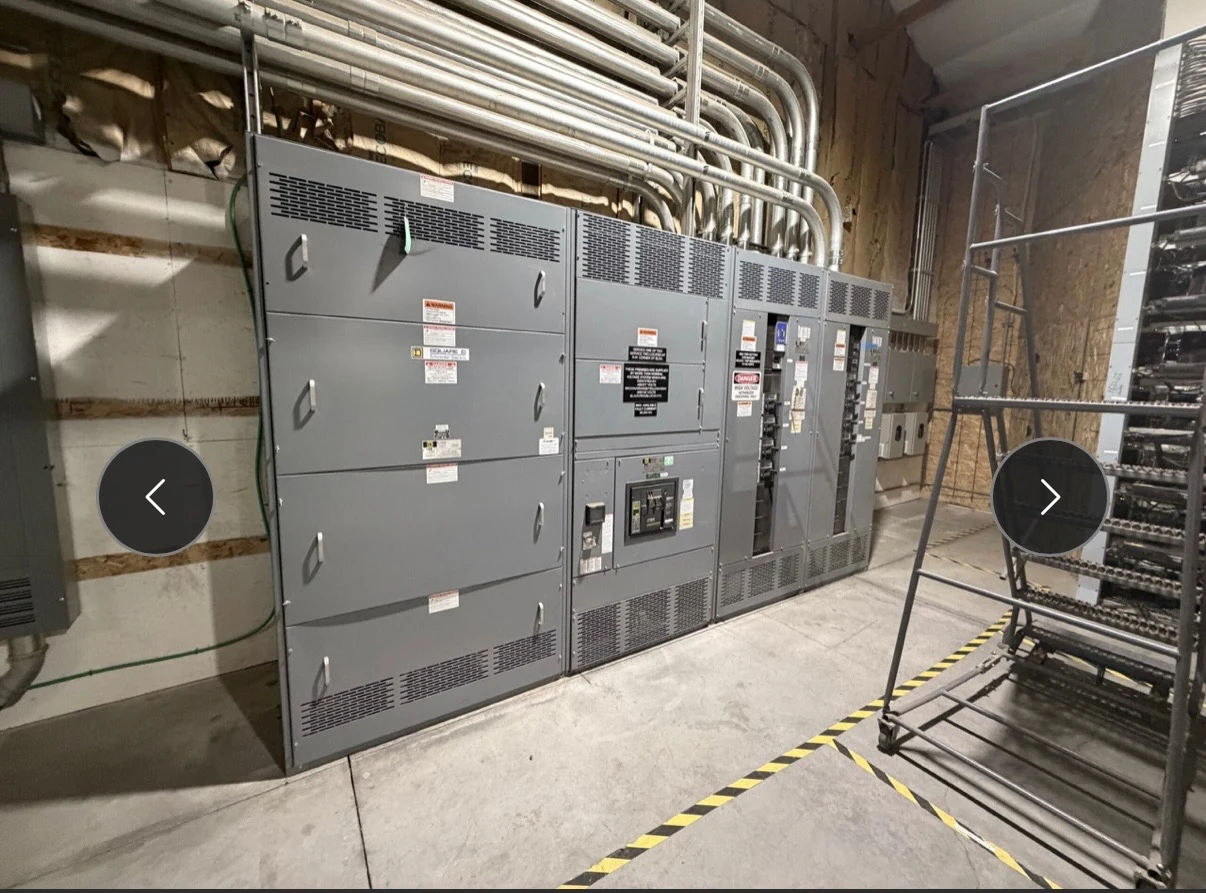
A UL 891 requirement can be a useful starting point for a new low-voltage switchboard, but the standard designation alone does not establish that a proposed lineup fits a facility.
DIRECT FROM THE MANUFACTURER / NEW EQUIPMENT
THE MANUFACTURER’S PERSPECTIVE — 02
A UL 891 requirement can be a useful starting point for a new low-voltage switchboard, but the standard designation alone does not establish that a proposed lineup fits a facility. Owners and specifying engineers need to verify the particular assembly, its electrical duty, its installation conditions, and the scope of its listing before committing to a purchase.
Start with the right equipment specification
UL 891 is the standard for switchboards; it is not a blanket designation for every product called switchgear. A switchboard may be appropriate where the project needs service or feeder distribution in a coordinated lineup. The engineer should identify the intended assembly type and any required standard in the specification rather than relying on a generic equipment description.
A project that calls for low-voltage power circuit breaker switchgear may have different construction and maintenance requirements, including a different applicable standard. Space, access, device selection and the owner’s operating philosophy all affect the comparison. Substituting a switchboard for specified switchgear requires an engineering review and the approvals required by the contract.
Give the manufacturer a usable electrical basis
Provide a current one-line diagram showing each source, the main device, feeder destinations and any planned tie or alternate source. Include system voltage, phase and wire configuration, frequency, grounding arrangement, calculated loads and anticipated additions. A feeder schedule should identify circuit functions and protective-device requirements rather than leaving every outgoing position to be inferred.
For service equipment, coordinate the utility’s point of connection, metering requirements and available fault-current information with the project engineer. Identify whether the switchboard needs a neutral, service bonding provisions or other specific features. The manufacturer can then assess the requested arrangement and flag missing information before a drawing or quotation becomes a purchasing commitment.
Separate load capacity from fault protection
Continuous-current ratings describe a different duty from short-circuit ratings. The engineer should compare the expected load with the proposed bus and device ratings, while also evaluating the available fault current at the equipment. Upstream source characteristics, transformer impedance and contributions from other sources can change the fault duty used in that review.
Ask for the proposed assembly short-circuit current rating at the applicable voltage and the interrupting ratings of protective devices. A device with a strong individual rating does not automatically establish the rating of the complete lineup. Any series-rated combination must be specifically identified and verified for the actual devices and application; coordination objectives also need a separate study.
Verify the listing for the actual assembly
When a UL 891 listing is specified, ask the manufacturer for the certification information applicable to the proposed switchboard, including the listing holder, file number, construction scope and relevant conditions. UL Solutions’ Product iQ can help check certification information. Compare the proposed design and ratings with that scope, and resolve uncertainties with the certifying organization before release.
Listed breakers and other components do not, by themselves, make a complete switchboard a listed assembly. Confirm that the delivered equipment has the appropriate listing mark and nameplate information, and compare these with approved submittals. Listing also does not replace project-specific code review, utility requirements or acceptance by the authority having jurisdiction.
Resolve enclosure and field interfaces early
The electrical room or outdoor location determines more than enclosure appearance. Show available footprint, door and access routes, environmental exposure, ventilation needs and required working space. Indicate top or bottom cable entry, conductor quantities, termination constraints and any connection to a transformer or busway. Compact layouts can save floor area but restrict wiring or maintenance access.
If utility metering, communications or remote indications are required, define the responsibility and physical interface for each. For shipped sections, confirm lifting arrangements, connection details and the manufacturer’s instructions for field assembly. The installation contractor and qualified project personnel must verify site conditions and perform electrical work under applicable safety procedures, codes and instructions.
Make approval and turnover part of the purchase
Request a proposal that identifies the assembly scope, listed exceptions, device schedule, enclosure, ratings and assumptions. Compare alternatives on those details, not just on the overall equipment description. Agree on submittals such as one-line and elevation drawings, connection information and certification documentation, with clear responsibility for the owner’s engineering and utility reviews.
The schedule depends on design decisions, drawing approval, component availability, fabrication, inspection and delivery arrangements. Agree on review milestones and how changes affect cost and timing rather than assuming a fixed lead time. Before turnover, define required factory test records, manuals, final drawings and field testing responsibilities so qualified personnel have the information needed for commissioning.
LET'S BUILD SOMETHING RELIABLE — 03
Ready to talk
switchgear?
Tell us about the new equipment your project needs. Include as much or as little detail as you have today.
(951) 403-5738CALL TO DISCUSS YOUR PROJECT