
BUILT IN THE USA. READY FOR YOUR PROJECT.
Where to Buy Switchgear
The right place to buy switchgear depends on who will define the electrical design, hold the equipment contract and coordinate installation.
DIRECT FROM THE MANUFACTURER / NEW EQUIPMENT
THE MANUFACTURER’S PERSPECTIVE — 02
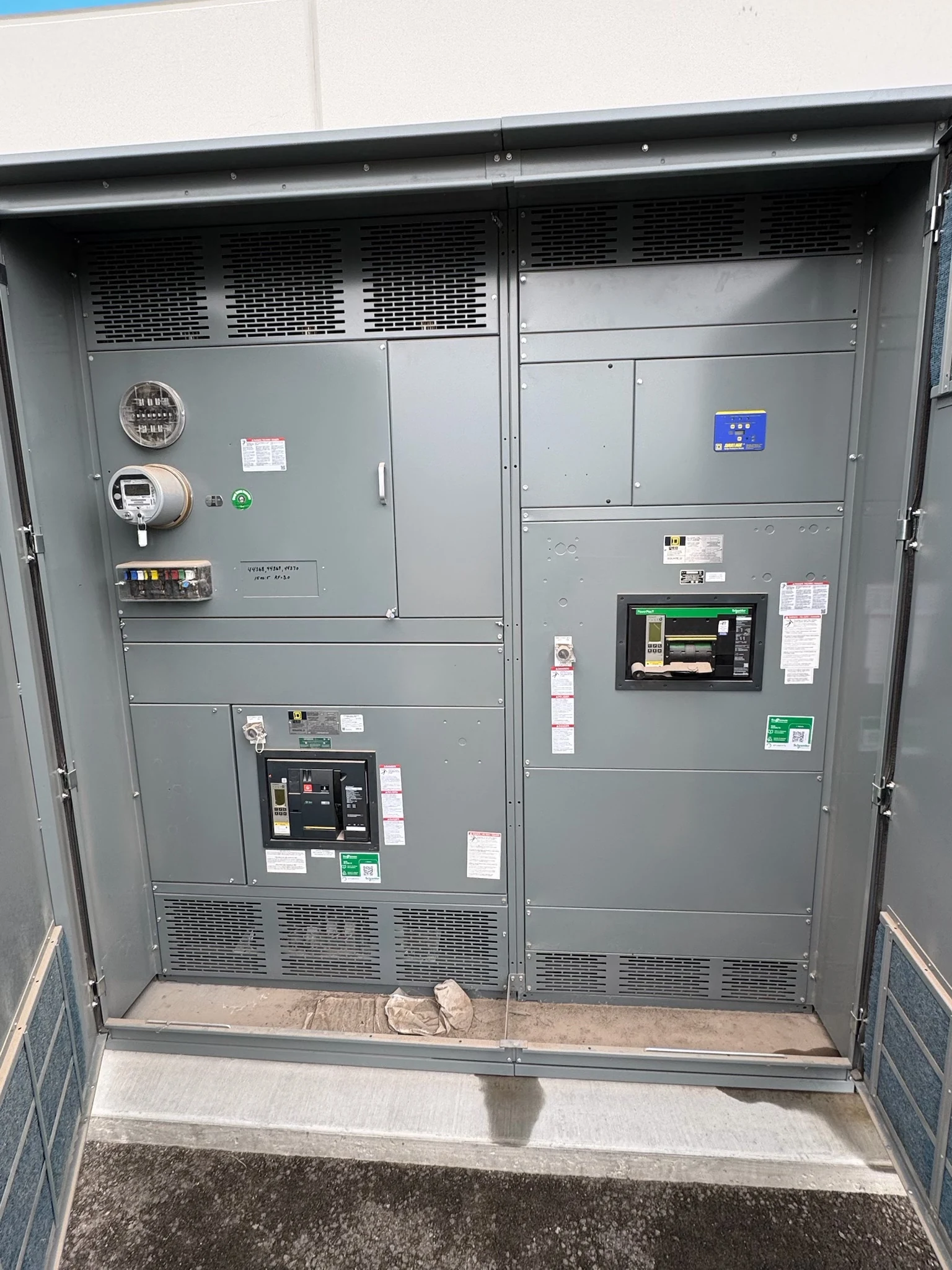
The right place to buy switchgear depends on who will define the electrical design, hold the equipment contract and coordinate installation. Buying newly manufactured equipment directly from an American manufacturer gives the project team a way to discuss the assembly itself rather than only a catalog description. For projects in San Antonio, South Texas or elsewhere nationwide, start by defining those responsibilities before asking for a price.
Choose a purchasing route that fits the contract
An owner can purchase directly from a manufacturer and contract separately for installation, or an electrical contractor can purchase the same type of new assembly as part of its construction scope. Direct owner purchasing provides a direct contractual equipment relationship, but the owner must coordinate delivery, design changes and the handoff to the installer.
When a contractor buys from the manufacturer, equipment procurement can be integrated with the field schedule. The owner should still confirm who reviews drawings and who owns the manufacturer interface. Other purchasing channels may add an intermediary; ask who actually manufactures the assembly, who answers technical questions and how changes and warranty requests flow through the contract.
Turn the one-line into a usable request
Provide a current one-line diagram identifying sources, main devices, feeder destinations and any tie or transfer arrangement. Include system voltage, phase and wire configuration, frequency, grounding scheme and expected loads. A feeder schedule should distinguish connected and anticipated loads, spare spaces and any expansion that must be accommodated in the initial design.
Share the available fault-current information at the proposed connection point and the assumptions behind it. The specifying engineer and manufacturer can then review protective-device interrupting duty and the assembly short-circuit ratings together. If utility or study information is pending, identify it as an open item rather than treating an estimated value as an approved design.
Define the physical and utility interfaces
Provide a dimensioned room or outdoor site plan, equipment access routes, preferred cable entry, conductor sizes and quantities, and any required busway interface. Describe ambient conditions, moisture, contaminants and corrosion exposure. An enclosure that suits the environment may change ventilation, footprint and access, so compare those implications along with its designation.
For service equipment, obtain the utility requirements for metering, termination and review, and identify any approval by the authority having jurisdiction. Clarify who supplies conduits, foundations, anchors and field conductors. The contractor and design professionals should verify working clearances, installation access and structural requirements against the actual layout and applicable rules.
Compare proposals beyond the quoted total
Request a written scope, equipment schedule, preliminary dimensions, drawings and a clear list of exclusions and exceptions. Compare main and feeder devices, metering, controls, enclosure construction and spare provisions against the same specification. A lower initial number can reflect omitted interfaces or documentation that another party must later provide.
Ask which standards and project-specific listing are proposed and how they will be verified. UL 891 may be relevant to an appropriate switchboard assembly; it should not be assumed for every type of switchgear. Where domestic component origin is specified, request confirmation of actual sourcing and availability rather than assuming that every component qualifies.
Set review and delivery milestones
Build the schedule around defined milestones: quotation, purchase order, submittal drawings, review comments, approved revisions, component procurement, fabrication, inspection and shipment. Ask which dates depend on receiving final information or approvals. A design change after release can affect purchased components and the delivery plan, so establish a written change-control process.
Coordinate shipping splits, estimated weights, lifting information and delivery access with the receiving contractor. An assembly that fits the electrical room on paper may not pass through the route to it. Confirm who unloads, stores and protects the equipment and whether field assembly or additional materials are included in the purchase.
Agree on acceptance and site responsibilities
Specify the factory inspection and functional checks needed for the project, including any witness arrangements, acceptance criteria and records. Request final drawings, equipment and component manuals, nameplate information and applicable test reports as contract deliverables. Identify the party responsible for protective settings, coordination studies and incorporation of final revisions into turnover documents.
A manufactured assembly is only one part of a complete installation. The owner and contractor should arrange permits, qualified installation, field testing and commissioning, with the utility involved where required. Energization and any outage planning belong to authorized, qualified personnel using site procedures, applicable codes and manufacturer instructions; the equipment purchase alone does not replace that work.
LET'S BUILD SOMETHING RELIABLE — 03
Ready to talk
switchgear?
Tell us about the new equipment your project needs. Include as much or as little detail as you have today.
(951) 403-5738CALL TO DISCUSS YOUR PROJECT