
BUILT IN THE USA. READY FOR YOUR PROJECT.
Pad-Mounted Switchgear: Maintenance and Serviceability
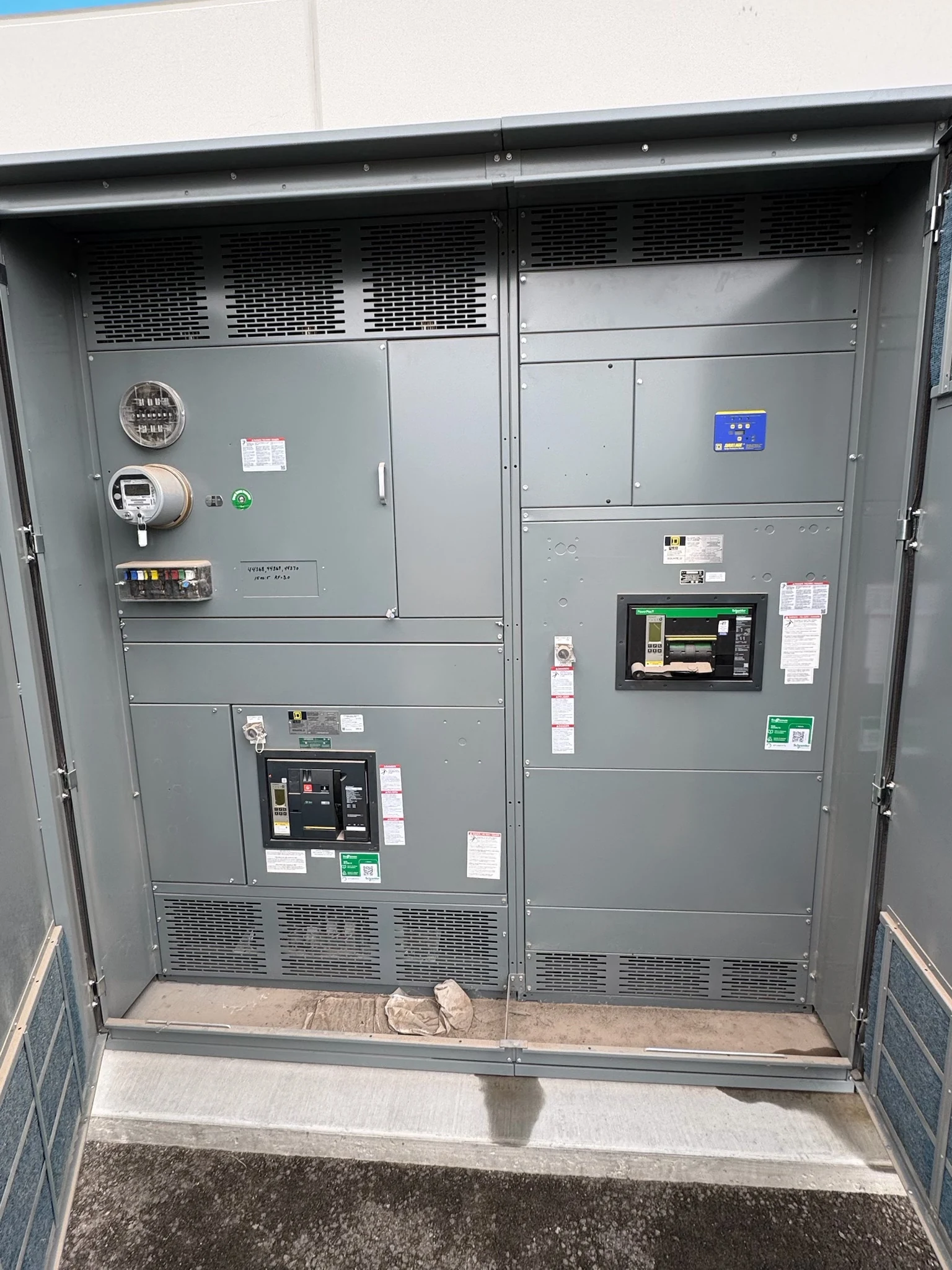
Pad-mounted switchgear can put switching and protection close to outdoor feeders, but its usefulness over decades depends on more than the initial electrical rating.
DIRECT FROM THE MANUFACTURER / NEW EQUIPMENT
THE MANUFACTURER’S PERSPECTIVE — 02
Pad-mounted switchgear can put switching and protection close to outdoor feeders, but its usefulness over decades depends on more than the initial electrical rating. Owners, engineers and contractors should design maintenance access and isolation into the purchase, while defining who handles the pad, field connections and future service. A direct manufacturer can use those decisions to develop a new assembly for the project.
Design isolation around the actual feeder system
Start with a one-line showing every incoming source, outgoing feeder, alternate supply and proposed switching device. A loop-fed arrangement may provide operating flexibility, but its extra source paths complicate isolation and coordination. Identify which loads must remain supplied and who controls each isolation point, including any utility-owned equipment.
Ask the engineer to review switching duty, protective devices, grounding provisions and interlocks against the intended operating states. An open switch position alone is not proof that a compartment is safe to enter. Qualified personnel must establish an electrically safe work condition under site procedures, applicable rules and equipment instructions.
Make room for people, doors and cables
A compact enclosure may fit the pad yet leave insufficient room to open doors, access cable compartments or remove a component. Provide the manufacturer with pad dimensions, grade, cable approach and nearby obstructions. The installer and engineer should verify required working space, door swing and access using the actual equipment and applicable requirements.
Consider how a service crew and lifting equipment will reach the installation after landscaping, fencing or other construction is complete. Cable quantity, termination arrangement and bending space influence compartment size. Dead-front interfaces can limit exposure to energized parts in normal use, but they do not eliminate electrical hazards or replace qualified work practices.
Plan for outdoor deterioration
Specify the exposure rather than simply asking for an outdoor enclosure: drainage, possible standing water, sun, airborne contaminants and corrosive conditions all matter. Coordinate enclosure construction, finish and pad elevation with the site design. Corrosion-resistant details may cost more initially but can make doors, fasteners and access points easier to maintain.
Condensation control requires a practical power source and an owner for inspection of any heaters or controls. Ask how the selected insulating system is monitored and what conditions warrant a manufacturer assessment. A sealed design may reduce routine attention to internal components, yet external seals, indicators and enclosure condition still need an appropriate maintenance plan.
Decide what can be replaced at the site
Before ordering, distinguish field-replaceable items from assemblies that require factory support or a larger replacement. Depending on the design, candidates might include indicators, control components, door hardware or protective-device parts. Request a component list identifying applicable part numbers, interchangeability and any restrictions that protect the assembly’s ratings and listing.
Compare the cost and storage burden of critical spares with the consequences of waiting for a replacement. Fuse selection, termination accessories and relay components must be compatible with the approved design, not merely similar in appearance. Define whether the owner, contractor or manufacturer will procure spares and confirm availability when placing the order.
Specify maintenance information in the quote
Supply system voltage and configuration, load and feeder schedules, available fault-current data, cable details, protection requirements and anticipated expansion. Note whether remote indication, event records or alarm contacts are desired. These options may help operators recognize a problem sooner, but add control-power, wiring, communications and testing interfaces.
Ask the manufacturer to identify the applicable equipment standards and any required project-specific listing, then verify the proposed assembly and scope. Compare quotations for enclosure access, replaceable components, drawings, inspection and factory test records, rather than treating a shorter equipment description as an equivalent maintenance package.
Turn the design into a service plan
At handover, request approved and as-built drawings, device and parts schedules, operating and maintenance instructions, applicable test records and settings information. Record the equipment identification, the location of spare parts and the responsible utility and site contacts in the owner’s system. Keep revisions together so future work starts from the current configuration.
Build an inspection schedule from manufacturer recommendations, site conditions and the owner’s reliability needs; do not assume one interval suits every installation. Coordinate outages with affected users and the utility where applicable, and allow time for approvals, component procurement and qualified field testing. Review findings and update the plan as conditions or feeder arrangements change.
LET'S BUILD SOMETHING RELIABLE — 03
Ready to talk
switchgear?
Tell us about the new equipment your project needs. Include as much or as little detail as you have today.
(951) 403-5738CALL TO DISCUSS YOUR PROJECT