
BUILT IN THE USA. READY FOR YOUR PROJECT.
South Texas Switchgear Service Areas
A project does not need a nearby switchgear factory to receive a well-defined, newly manufactured assembly.
DIRECT FROM THE MANUFACTURER / NEW EQUIPMENT
THE MANUFACTURER’S PERSPECTIVE — 02
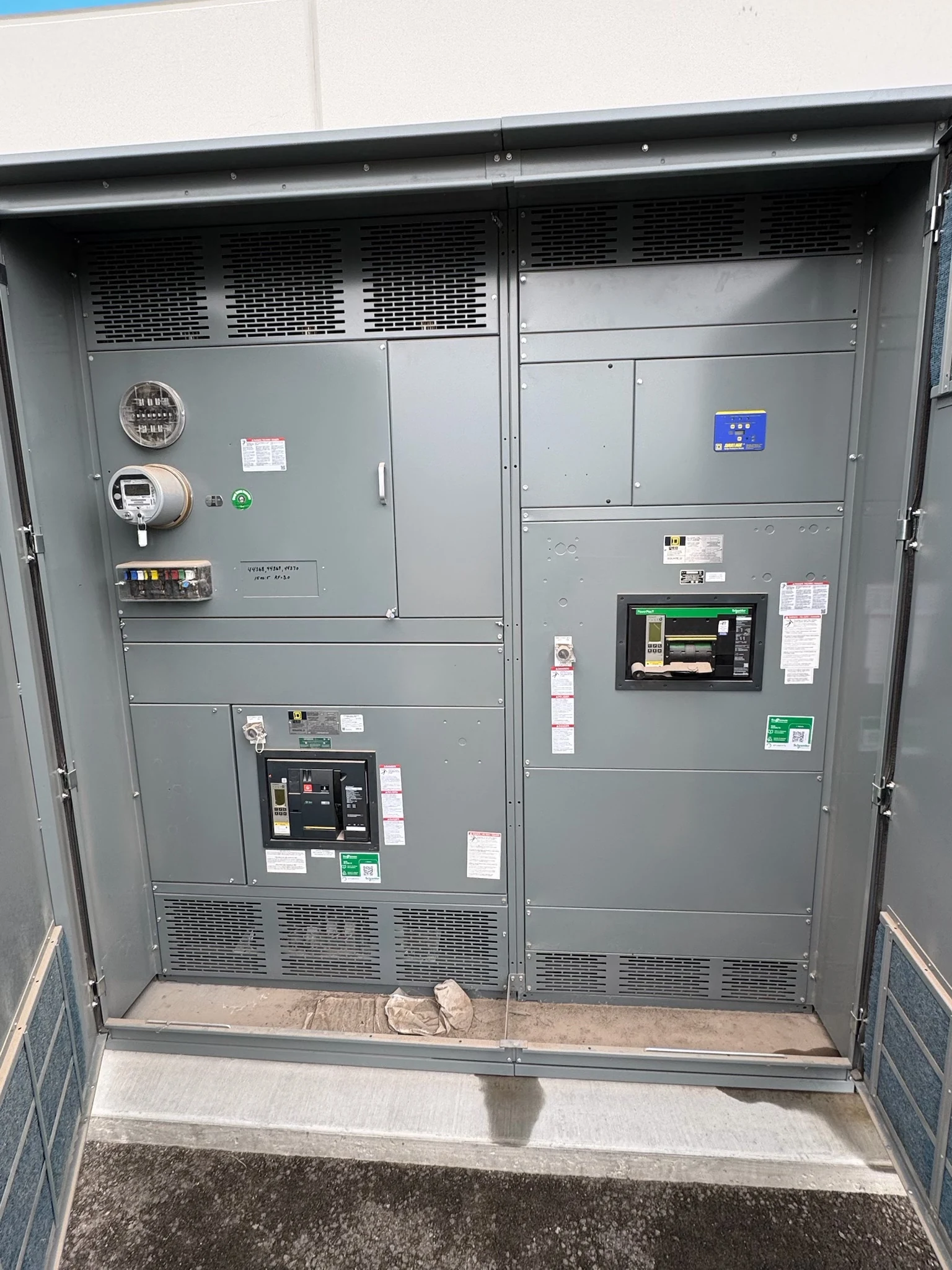
A project does not need a nearby switchgear factory to receive a well-defined, newly manufactured assembly. Owners, engineers and contractors in San Antonio and across South Texas can work directly with an American manufacturer by organizing electrical requirements, site constraints and decision points early. The same approach also supports projects nationwide, with delivery and local approvals planned for the actual destination.
Define coverage by project responsibilities
A direct manufacturing relationship gives the purchasing team a way to discuss the proposed assembly with its maker rather than relying solely on a product description. Distance still matters: establish who will gather field dimensions, communicate with the utility, receive equipment and arrange qualified installation. Serving a region does not imply an office, factory or installation crew in every community.
For a project in San Antonio, Laredo or a smaller South Texas community, identify the site address and the utility and authority having jurisdiction involved. Service rules, inspection expectations and access arrangements can differ by project. The local electrical contractor and engineer should verify those requirements rather than assuming that a design accepted elsewhere will fit automatically.
Turn local needs into an electrical scope
Start the request with a current one-line diagram, nominal system voltage, phase and wire configuration, source details, load schedule and intended operating arrangement. Identify the main device and each feeder's destination, anticipated load and conductor information. For a growing facility, distinguish confirmed loads from future allowances so that spare space and capacity can be evaluated realistically.
Provide the available fault-current information and the assumptions behind it, including utility contributions where applicable. The engineer should review assembly duty, protective devices and coordination together; a main current rating alone does not establish suitability. Describe generator, transfer, metering or communication interfaces, and identify who supplies settings and performs the associated studies.
Match the enclosure to the actual site
South Texas projects can face very different exposures. An indoor electrical room may have heat-removal and access constraints, while an outdoor location may call for attention to dust, humidity or coastal salt exposure. Specify the expected conditions, enclosure requirements and any site classification instead of treating geography as an equipment rating.
Send the proposed room or pad layout, entrance route, cable entry direction and available space for service access. An outdoor enclosure may free up indoor floor area but introduces foundation, weather protection and maintenance-access decisions. The design team must verify ventilation, working clearances and structural requirements against the actual equipment and applicable rules.
Compare quotes against a common scope
Ask each prospective manufacturer to identify assembly type, device configuration, ratings to be verified, enclosure construction, included metering and control functions, and any exclusions. A lower initial quote may omit field connections, protective studies or documentation that the owner still needs. Record those differences before evaluating overall project cost and responsibility.
Request drawings, a component schedule, test scope, manuals and any specified listing evidence as explicit deliverables. UL 891 may be relevant to an appropriate switchboard assembly; verify whether the proposed configuration has the project-required listing. If American-made components are specified, identify the applicable origin requirements and confirm actual sourcing and availability instead of assuming every part qualifies.
Coordinate delivery and field interfaces
A destination outside a major city can affect the delivery plan without changing the electrical requirements. Share receiving hours, road and gate restrictions, unloading capabilities, door dimensions and staging space. Ask for shipping dimensions, weights, lifting information and any proposed shipping splits when available so the contractor can plan rigging and movement into position.
Clarify the boundary between the manufactured assembly and field work: foundations, anchorage, incoming conductors, grounding connections, control wiring and joining shipped sections may involve different parties. Approved drawings should show connection points and required clearances. The installing contractor should reconcile those interfaces with the site before construction reaches the equipment room.
Sequence approvals, testing and turnover
Build the schedule around a complete specification, proposal review, approved submittals, component availability, fabrication, inspection and shipping. Changes to a feeder arrangement or a utility metering requirement after approval can affect several stages. Agree on a process for recording revisions, identifying cost and schedule effects, and authorizing changes before work proceeds.
Define factory test and witness requirements, acceptance criteria and the records to be delivered, then assign responsibility for site inspection, field testing and commissioning. For a replacement project, the owner and contractor should coordinate outage windows and affected loads. Qualified personnel must plan and perform electrical work under applicable codes, site safety procedures and equipment instructions; final energization belongs in that controlled site plan.
LET'S BUILD SOMETHING RELIABLE — 03
Ready to talk
switchgear?
Tell us about the new equipment your project needs. Include as much or as little detail as you have today.
(951) 403-5738CALL TO DISCUSS YOUR PROJECT