
BUILT IN THE USA. READY FOR YOUR PROJECT.
Metal-Enclosed Switchgear: Maintenance and Serviceability
Serviceability starts before metal-enclosed switchgear is ordered.
DIRECT FROM THE MANUFACTURER / NEW EQUIPMENT
THE MANUFACTURER’S PERSPECTIVE — 02
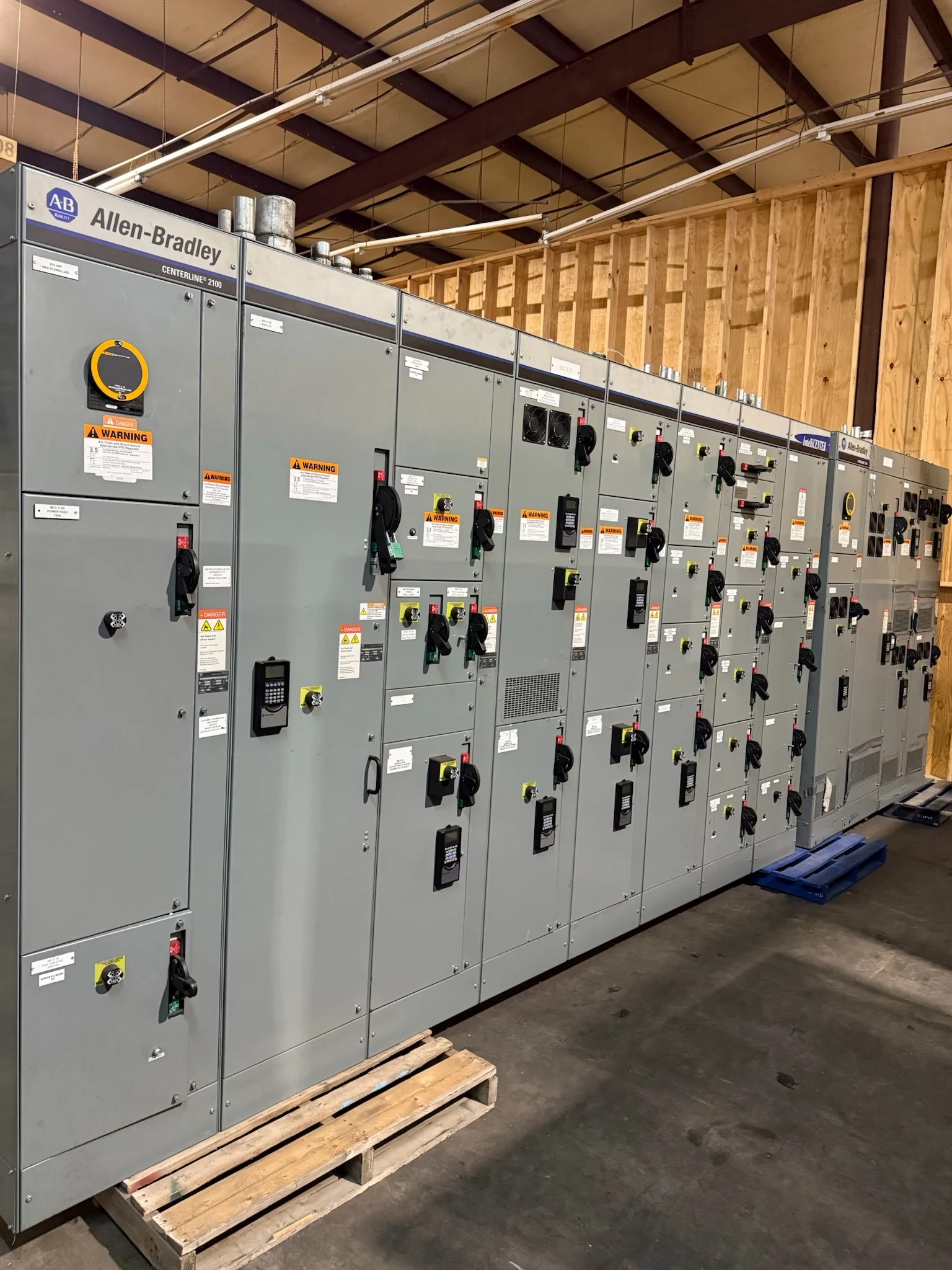
Serviceability starts before metal-enclosed switchgear is ordered. The arrangement of switches, fuses, cable compartments and controls affects what a facility must shut down for inspection or component replacement. Owners, engineers and contractors should define the maintenance tasks and operating constraints early, then review them against the proposed new assembly rather than assuming every metal enclosure offers the same access.
Start with the switching devices
Metal-enclosed designs can use different switching and protective devices. A fused load-interrupter switch, for example, combines switching with fuses selected for the circuit; a breaker-based arrangement has different protective and maintenance considerations. Choose on the basis of the actual load, fault duty, coordination study and approved assembly design, not on maintenance preferences alone.
A lower initial equipment cost may come with different outage or spare-parts needs. Ask which components can be accessed or replaced, what work requires upstream isolation and whether access depends on the proposed construction. Metal-enclosed does not automatically mean metal-clad, and the enclosure name alone does not establish compartment boundaries or energized-work capability.
Define isolation and outage boundaries
Provide a current one-line diagram showing utility connections, alternate sources, transformers, feeder destinations and possible backfeed paths. Identify loads that must remain available and note any planned source-transfer scheme. The engineer and owner can then evaluate whether the proposed lineup and upstream devices support the desired maintenance outages without assuming that opening one switch isolates everything.
Request drawings that identify isolation points, interlocks and the relationship between compartments and live parts. A key or door interlock can control an access sequence, but it is not a substitute for lockout and verification. Qualified personnel must plan and perform electrical work under the site safety program, applicable requirements and equipment instructions.
Make access workable in the actual space
Send room or pad drawings, cable-entry direction, available door swings, adjacent obstructions and the delivery route with the inquiry. Review front, rear and side access as applicable, along with working clearances and any space needed to handle a device or fuse. A compact lineup can occupy less floor area while making future servicing harder if access is overlooked.
Cable terminations, control terminals and enclosure heaters may need attention at different locations. Ask the manufacturer to show removable covers, access panels and field-connection areas on the submittal drawings. The project designer must confirm code clearances and coordinate the equipment footprint with building, structural and other trades.
Plan replaceable parts before purchase
Build a spare-parts list around the selected equipment: fuses where specified, control components, indicating devices and other items the manufacturer identifies as replaceable. Record exact part descriptions, compatibility and storage recommendations. Fuse choices must match the engineered voltage, current and interrupting requirements and the protection study; physical fit by itself is not an adequate substitution test.
Compare the cost of stocking critical parts with the consequence of waiting for a replacement during an outage. Ask about expected availability and the process for approving alternatives, without assuming any part will remain available indefinitely. If domestic component origin is a purchasing requirement, specify it and confirm the sourcing of each relevant item.
Match inspections to the environment
Indoor dust, outdoor moisture, coastal corrosion or condensation can change the inspection plan and enclosure requirements. Describe the installation exposure, ventilation and any humidity-control needs to the design team. Check that specified heaters, power supplies and access arrangements fit the site; environmental controls themselves also need inspection and maintenance.
Have the owner establish inspection intervals using manufacturer instructions, operating conditions and applicable requirements rather than a universal calendar. Factory test records and documented commissioning results can provide useful baselines for later comparisons. Qualified personnel should interpret findings in context and determine whether additional investigation or an outage is warranted.
Specify documents and schedule ownership
A useful purchase request includes the one-line, device schedule, required ratings, available fault-current information, maintenance objectives and site constraints. Ask for drawings, device manuals, interlock information, test records and a parts list that reflects the final configuration. Confirm applicable equipment standards and any required project-specific listing rather than assuming one listing covers every assembly.
Set review milestones for drawings, protection coordination, component approval, factory testing and delivery. Allow time for the owner and contractor to arrange shutdowns, field connections and commissioning; distinguish those responsibilities from the new assembly manufacturer’s scope. Direct purchasing supports early discussion of those interfaces for projects in San Antonio, South Texas and nationwide, but timing depends on project approvals and material availability.
LET'S BUILD SOMETHING RELIABLE — 03
Ready to talk
switchgear?
Tell us about the new equipment your project needs. Include as much or as little detail as you have today.
(951) 403-5738CALL TO DISCUSS YOUR PROJECT