
BUILT IN THE USA. READY FOR YOUR PROJECT.
Metal-Enclosed Switchgear: Testing and Documentation
Testing metal-enclosed switchgear is more than a final checkbox.
DIRECT FROM THE MANUFACTURER / NEW EQUIPMENT
THE MANUFACTURER’S PERSPECTIVE — 02
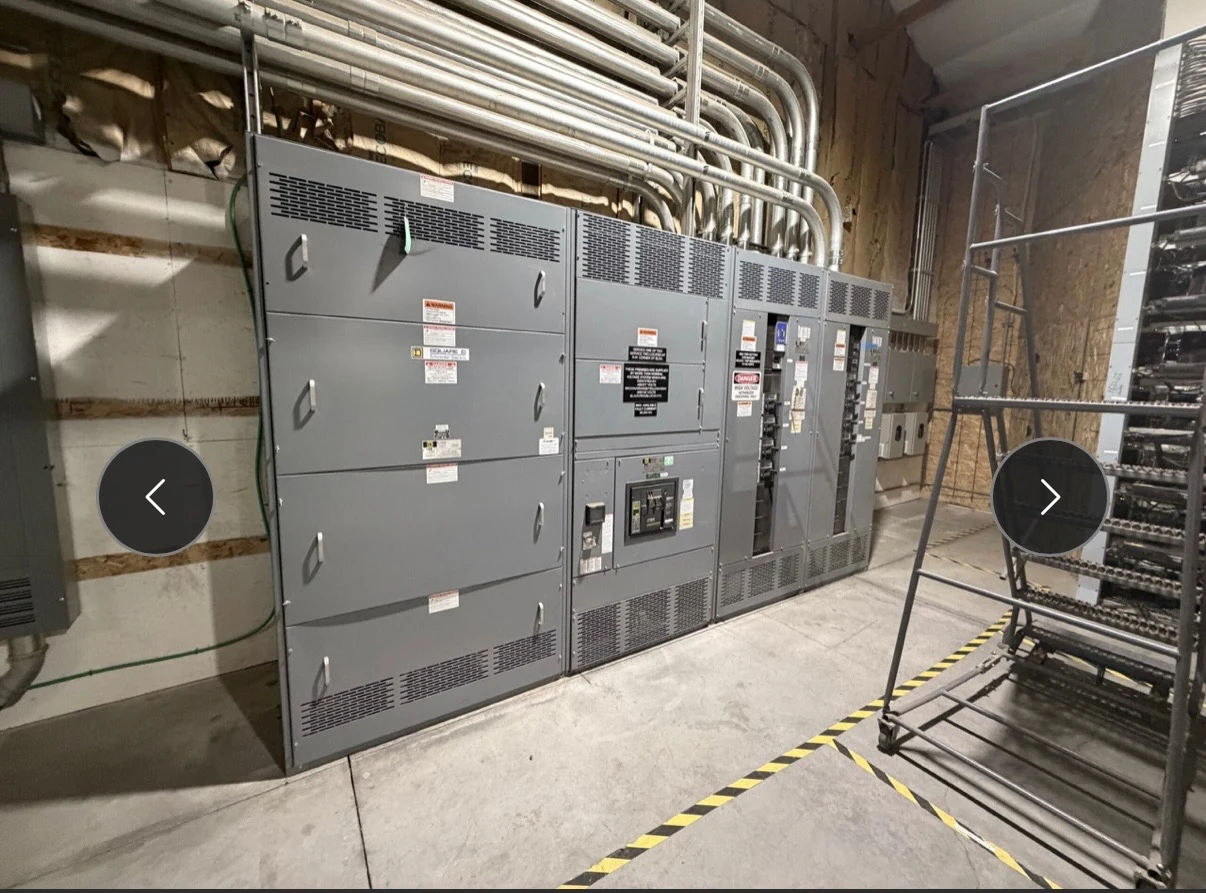
Testing metal-enclosed switchgear is more than a final checkbox. A lineup may use switches, fuses, breakers, protective relays, or combinations selected for the project; each changes what can be inspected and how its operation is demonstrated. Owners, specifying engineers, and contractors should agree on evidence and acceptance responsibilities with the manufacturer before the new assembly is released for manufacture.
Establish the acceptance basis
Start with the current one-line diagram, device schedule, operating sequence, control-power arrangement, and project specifications. Include system voltage, continuous-current requirements, available fault duty, enclosure conditions, and any utility interfaces. The manufacturer can then identify which checks relate to the particular construction and which depend on other project participants.
Ask for an inspection and test plan identifying applicable assembly and device standards, specified inspections, test methods, acceptance criteria, and the parties who approve results. Do not assume all metal-enclosed equipment has the same compartmentation or test program. If a listed assembly is required, confirm the project-specific listing and its scope.
Inspect the assembly at the factory
Factory checks can address nameplates, device identification, component fit, internal barriers, wiring labels, terminal designations, and access arrangements against approved drawings. Mechanical checks may also confirm that doors, shutters where furnished, operating mechanisms, and specified interlocks perform as designed. Record discrepancies against the drawing revision rather than treating a verbal correction as closeout.
Electrical checks may include control-wiring continuity and insulation checks appropriate to the design and the device manufacturers’ instructions. The manufacturer should state what is included, how results are documented, and what precautions are required to protect components during tests. Passing a routine factory check does not by itself validate the installed cable system.
Match functional tests to the devices
A switch-and-fuse arrangement calls for a different demonstration from a breaker with a protective relay. Define required indication, opening and closing commands, trip paths, alarm contacts, and mechanical or electrical interlocks for the devices supplied. Where applicable, identify test signals and expected responses for local and remote control.
For relay-equipped assemblies, decide whether configuration, secondary injection, trip-circuit verification, and study-derived settings are included at the factory or reserved for commissioning. A functioning relay is not proof that its settings coordinate with upstream and downstream devices. The responsible engineer must approve those settings and the associated study.
Choose the witness and interface scope
A factory acceptance test can range from a review of routine results to witnessed demonstrations of the agreed operating sequence. Specify attendance, notice, test points, pass/fail criteria, and who signs the report. Witnessing adds coordination and may affect cost and schedule, but gives the owner an opportunity to resolve questions before shipment.
Where utility metering, communications, or a remote supervisory system is involved, identify the boundary of the demonstration. A simulated contact or signal may verify the assembly’s interface without proving that the complete site network works. Reserve end-to-end tests for the parties that will integrate the actual field devices.
Separate factory results from site acceptance
After delivery, the installer and commissioning team should check shipping condition, field connections, grounding interfaces, assembly of shipping sections, and the effects of storage against the approved instructions. Assign responsibility for installation inspection and site testing in the purchase documents; factory testing cannot replace checks on work completed after shipment.
Qualified electrical personnel must plan and perform testing under site safety procedures and manufacturer instructions. The commissioning scope can include the installed cables, protective functions, control power, and interlocks, as appropriate. The owner and engineer should establish who resolves failures and who authorizes energization; a test report alone is not authorization.
Turn test evidence into a usable handoff
Request approved one-lines, elevations, schematics, terminal plans, device schedules, test reports, and operating and maintenance manuals. Test records should identify the assembly, procedure or standard, date, results, criteria, exceptions, and corrective action. Traceable revisions help the installer distinguish an approved drawing from a later field change.
Build the schedule backward from the needed site handoff: allow for design review, approval of test procedures, component availability, witness arrangements, corrective work, and final documents. At quote stage, compare exclusions as carefully as price: a lower initial scope may leave relay setup, field testing, or final as-builts for another party to fund.
LET'S BUILD SOMETHING RELIABLE — 03
Ready to talk
switchgear?
Tell us about the new equipment your project needs. Include as much or as little detail as you have today.
(951) 403-5738CALL TO DISCUSS YOUR PROJECT