
BUILT IN THE USA. READY FOR YOUR PROJECT.
Evaluating Equipment Substitutions
An equipment substitution is more than a different part number on a purchase order.
DIRECT FROM THE MANUFACTURER / NEW EQUIPMENT
THE MANUFACTURER’S PERSPECTIVE — 02
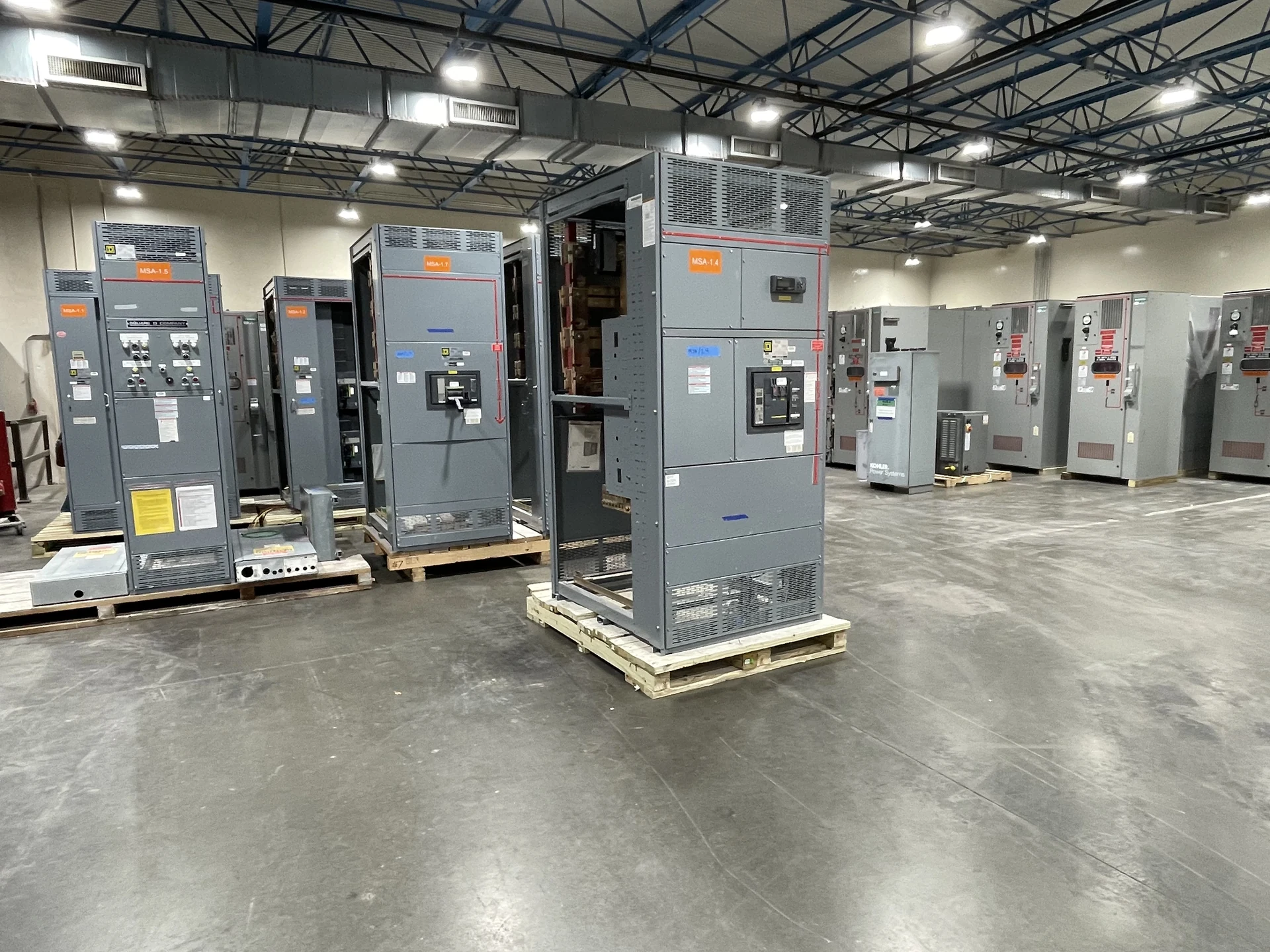
An equipment substitution is more than a different part number on a purchase order. A proposed new switchgear or distribution assembly may appear comparable while changing its protection, footprint or approval basis. Specifying engineers, electrical contractors and owners can avoid expensive surprises by comparing the complete engineered solution against the project requirements before authorizing a change.
Establish what the alternate must replace
Start with the latest approved one-line, specifications, load schedule and original equipment submittal. Identify the source arrangement, main and feeder functions, metering, communications, spare provisions and installation environment. Separate mandatory requirements from preferences; a nominal current or a similar-looking elevation alone cannot establish equivalence.
Ask the direct manufacturer for a marked comparison against each requirement, including exceptions and assumptions. For example, an alternate may include the same number of feeders but offer different trip functions or less termination space. Put that difference in the open so the design team can evaluate consequences rather than treating silence as compliance.
Compare form, fit and field interfaces
Check overall dimensions, shipping sections, weight, anchorage, door swing and maintenance access against the actual equipment room and delivery route. A narrower lineup is not automatically an easier installation if it requires larger working space, obstructs another panel or changes ventilation needs. The responsible designer must verify applicable clearances and room conditions.
Compare top or bottom entry, conductor quantities and sizes, lug provisions, neutral and ground connections, and busway interfaces where applicable. Different terminal locations can change cable routing, supports or field labor. Coordinate foundation and structural details with the contractor, and document any enclosure or heat-rejection changes for the building design team.
Verify electrical duty at assembly level
Review nominal system voltage, phase and wire configuration, continuous current and environmental conditions alongside the proposed equipment ratings. Obtain the available fault-current information and operating assumptions from the project engineer and utility as appropriate. Ratings must suit the location and intended operating states, not merely match an upstream device designation.
Distinguish a breaker interrupting rating from the short-circuit rating or withstand capability of the complete assembly. The design engineer should assess device and assembly compatibility, fault clearing and any proposed series-rated combination using supporting documentation. A device with an attractive individual rating does not by itself prove the lineup is suitable.
Examine protection and control behavior
Compare protective functions and adjustment ranges, including ground-fault sensing when specified, and give the coordination-study provider the alternate device curves and settings information. A substitution can alter selectivity or incident-energy calculations even when its nameplate current matches. Any revised settings and study conclusions remain subject to qualified engineering review.
Also compare current-transformer ratios, relay inputs, trip-power sources, interlocks, status contacts and communications points. If an alternate changes a control-voltage interface or a required alarm, the apparent equipment saving may transfer work to another contractor. Require an updated point list and wiring or logic diagrams to identify that work before approval.
Check listing, evidence and acceptance
Identify the applicable equipment standards, code requirements and project specifications for the assembly being proposed. For an appropriate switchboard, UL 891 may be relevant; verify the project-specific listing and scope rather than assuming that standard covers every switchgear type. A listed component does not automatically establish the listing of the finished assembly.
Request evidence of applicable ratings and listing, drawings, device data, proposed factory inspection and test records, and a complete exception list. Confirm who must accept the alternate under the contract, including the specifying engineer, owner, utility or authority having jurisdiction where relevant. If component origin is specified, seek documentation and verify availability rather than assuming compliance.
Control approvals, cost and schedule together
Compare quotations on the same scope: equipment, documentation, testing, shipping, field interfaces and any excluded work. An alternate with a lower equipment quote may require revised drawings, different cable, additional studies or a changed installation sequence. Assign each resulting cost and responsibility before issuing a purchase order or change authorization.
Build the schedule around submittal review, acceptance of exceptions, component availability, fabrication, inspection and delivery coordination; confirm dates with the parties involved rather than relying on a generic lead time. Preserve the approved comparison and final drawings for turnover. Installation, testing and energization must be planned and performed by qualified personnel under applicable site procedures.
LET'S BUILD SOMETHING RELIABLE — 03
Ready to talk
switchgear?
Tell us about the new equipment your project needs. Include as much or as little detail as you have today.
(951) 403-5738CALL TO DISCUSS YOUR PROJECT