
BUILT IN THE USA. READY FOR YOUR PROJECT.
15 kV Switchgear
A 15 kV switchgear specification is a starting point, not a complete equipment order.
DIRECT FROM THE MANUFACTURER / NEW EQUIPMENT
THE MANUFACTURER’S PERSPECTIVE — 02
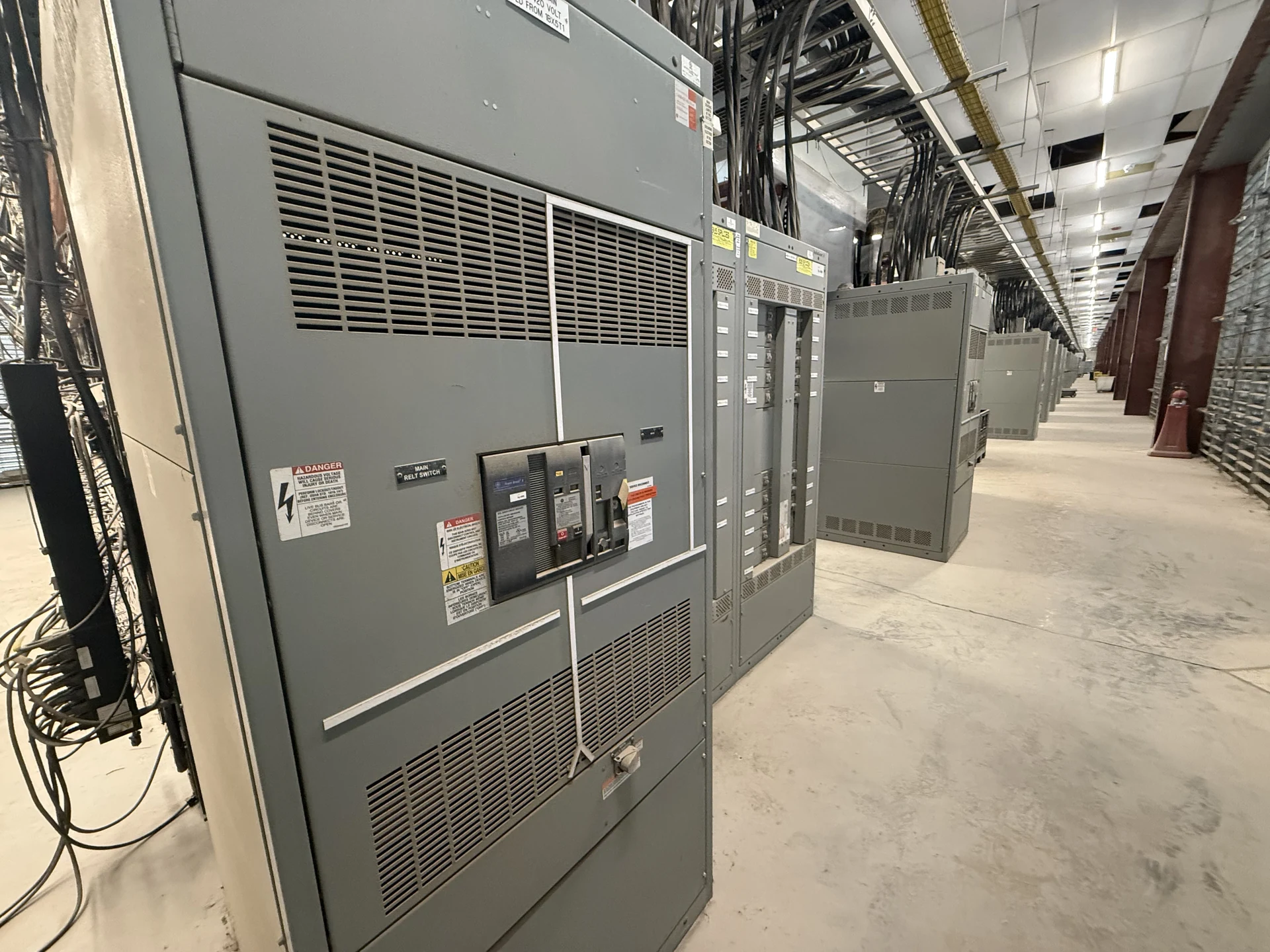
A 15 kV switchgear specification is a starting point, not a complete equipment order. An industrial plant, campus distribution system or other facility may need different switching arrangements, protective functions and installation interfaces even when the voltage description sounds similar. Owners, consulting engineers and contractors can obtain a more useful proposal by defining the actual power system and its operating requirements before selecting a new assembly.
Match voltage class to the actual system
The phrase 15 kV may refer to an equipment voltage class rather than the precise voltage at which a system operates. Provide the nominal system voltage, expected maximum operating voltage, frequency, phase configuration and grounding method. The engineer and manufacturer can then assess the proposed equipment's maximum voltage rating and insulation requirements against the project conditions.
Insulation selection also depends on the specified withstand levels and the project's exposure to switching or lightning surges. Altitude, humidity and contamination can affect the assessment. Identify applicable equipment standards and any surge arrester requirements in the specification; do not assume that a label containing 15 kV settles insulation coordination for every site.
Choose the construction around operating needs
Metal-clad and metal-enclosed are not interchangeable descriptions. Their construction, compartmentation and permissible switching arrangements must be evaluated against the applicable standard and project specification. State whether the desired lineup includes circuit breakers, fused switches or another engineered arrangement, and describe how each incoming source and outgoing feeder is intended to function.
A drawout breaker arrangement can support maintenance planning but requires suitable interlocks, access and handling space. A fixed arrangement may offer a different space and maintenance tradeoff. Compare the specific designs rather than assuming either is automatically safer or smaller, and document any bus tie, source interlocking or future feeder provisions needed by the owner.
Separate load current from fault duty
Submit a one-line diagram and load schedule showing present demand, expected additions, transformer data and each feeder's operating purpose. Continuous current selection must cover the assembly and its individual components under the specified ambient conditions. Spare capacity has value only if bus ratings, available positions and the future operating scenario are reviewed together.
Fault duties require a separate short-circuit study using available utility contribution, source impedance, transformer characteristics and relevant motor or generation contributions. The engineer should compare interrupting duty, closing duty and assembly short-time withstand with the applicable fault levels and clearing times. These are distinct ratings; a satisfactory continuous-current rating does not establish fault-duty suitability.
Define protection and control interfaces
Specify the protection philosophy for incoming and outgoing circuits, including the relay functions and coordination objectives. Identify current-transformer ratios, accuracy and burdens for protection and metering, along with voltage-transformer requirements where applicable. The protection engineer should check the proposed devices against the study rather than treating settings in a quotation as final.
Control and trip power deserve their own interface definition. Show the source, monitoring, alarm requirements and expected behavior on loss of supply, including any station battery interface. For remote supervision, agree on communications protocol, point list and control authority. The project team should assign responsibility for relay settings, integration and functional verification.
Plan the room and cable terminations early
Provide room dimensions, access routes, floor loading and the intended cable entry direction. Medium-voltage terminations and cable bending space can strongly influence section depth and the location of incoming and outgoing compartments. Coordinate cable type, conductor size and quantity, termination system, grounding connections and the contractor's field installation scope with the equipment drawings.
Document ventilation, ambient conditions and maintenance access, including any space required for breaker handling. For outdoor installations, define exposure, enclosure requirements, foundation and condensation-control needs. Applicable working clearances and safe access must be checked for the actual installation; an equipment footprint alone does not establish that the room is workable.
Buy against deliverables and project milestones
When requesting a direct-manufacturer proposal for a project in San Antonio, South Texas or elsewhere nationwide, include the one-line, fault study data, equipment specification, layout constraints and target milestones. Ask for the proposed ratings, construction, component selections, standards, exceptions and a clear division between factory scope and field work. Availability and suitability require project-specific confirmation.
Set review dates for drawings and component approvals before committing to dependent construction activities. Agree on factory inspection or witnessed test scope, acceptance criteria, records, shipping sections and final manuals. The owner's qualified personnel and contractors must plan installation, commissioning and energization under site procedures and applicable requirements; delivery timing depends on engineering, approvals, component availability and testing.
LET'S BUILD SOMETHING RELIABLE — 03
Ready to talk
switchgear?
Tell us about the new equipment your project needs. Include as much or as little detail as you have today.
(951) 403-5738CALL TO DISCUSS YOUR PROJECT