
BUILT IN THE USA. READY FOR YOUR PROJECT.
Metal-Enclosed Switchgear for Wastewater Facilities
Wastewater facilities depend on reliable power for pumps, aeration and treatment, yet their electrical equipment may face moisture, corrosive gases and constrained access.
DIRECT FROM THE MANUFACTURER / NEW EQUIPMENT
THE MANUFACTURER’S PERSPECTIVE — 02
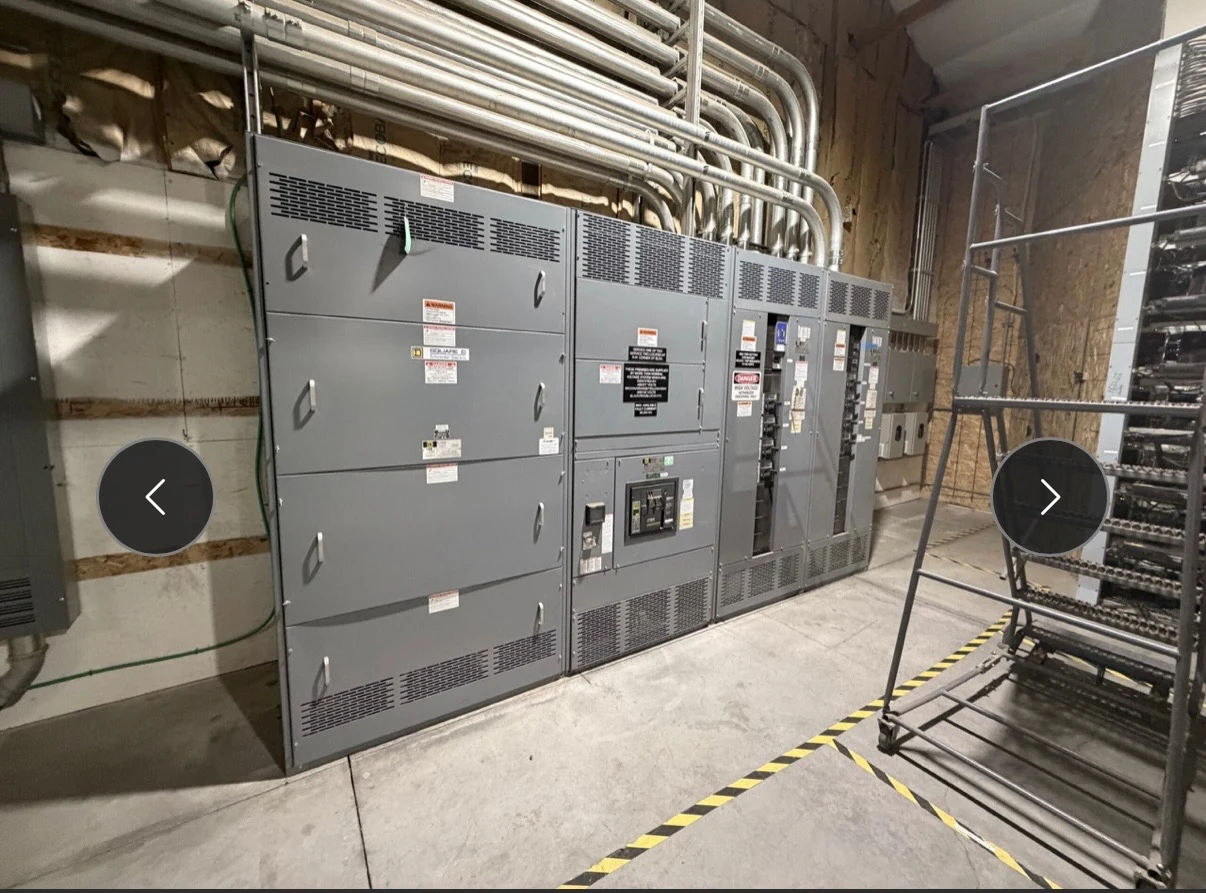
Wastewater facilities depend on reliable power for pumps, aeration and treatment, yet their electrical equipment may face moisture, corrosive gases and constrained access. A new metal-enclosed switchgear assembly should be specified around both conditions and process continuity. For owners and engineers, the important decisions extend beyond the enclosure to protective devices, feeder arrangement, expansion and the work needed to connect the equipment safely.
Match the switching arrangement to plant operations
Metal-enclosed switchgear groups switching and protective devices within a metal assembly. Depending on the design, a lineup may use circuit breakers, fused switches or other project-appropriate devices. A metal enclosure alone does not establish the separate compartments associated with metal-clad construction, nor does it establish an arc-resistant rating. Specify the actual construction and performance needed.
Map the incoming sources and outgoing circuits on a current one-line diagram. Identify which feeders serve lift pumps, blowers, treatment equipment and downstream motor control centers. Separate critical loads where the operating plan requires it, and discuss normal and alternate source arrangements with the engineer. A preferred arrangement must also fit the site’s space, protection and budget constraints.
Account for corrosion before choosing the enclosure
A lineup near wet processes can encounter hydrogen sulfide, chemical vapors, washdown spray or condensation. Describe measured or expected exposure, cleaning practices, indoor or outdoor placement, flood risk and ambient temperatures. A protected electrical room away from aggressive air may be a better starting point than relying on enclosure finish alone.
Ask the manufacturer to review enclosure material, finish, gaskets, hardware and ventilation against those conditions. Tighter environmental protection can complicate heat removal, so coordinate heat rejection and any humidity controls with the room designer. Have the responsible engineer determine whether a location is classified as hazardous; an ordinary metal enclosure does not automatically qualify for such an area.
Coordinate motors, fault duty and protection
Provide motor sizes, operating and starting characteristics, expected simultaneous operation and planned variable-frequency drives. Large pump or blower starts can affect voltage elsewhere in the plant, while drives introduce different load and power-quality considerations. The engineer can evaluate these conditions with transformer and feeder data rather than selecting a switchgear bus from motor nameplates alone.
Supply available fault-current information and upstream protection data. The project engineer should check assembly withstand and device interrupting duties, then coordinate protective characteristics with downstream equipment. A load-interrupter switch and its fuses perform different functions; the switch’s ability to carry or interrupt normal load should not be confused with a protective device’s fault-interrupting capability.
Reserve useful space for future feeders
A planned aeration expansion or additional pump station may justify a spare feeder, but an installed, protected spare circuit is not the same as an empty space for a future device. Identify the anticipated load, approximate connection route and required in-service date. Compare the initial cost and footprint of each option against the disruption of a later addition.
Spare physical space does not by itself reserve electrical capacity. The manufacturer and engineer should review bus and source capacity, fault duty, compartment arrangement, cable bending and termination space, and compatibility with a future device. Record what is included now and what will require a separate engineering and approval process later.
Plan access and operating interfaces
Equipment drawings should show front and any required rear access, door swings, cable entry, shipping splits and lifting provisions. Coordinate working clearances with the applicable code and the actual lineup. Account for the route through the building and for room ventilation, housekeeping and the space needed to service components without blocking plant circulation.
Define boundaries with the utility, transformer supplier, installing contractor and controls integrator. Identify who provides field cables, grounding connections, auxiliary control power and protective settings. If the plant supervisory system needs alarms or status indications, agree on the signal list, communication protocol and testing responsibilities rather than assuming that every device reports automatically.
Purchase against a clear submittal and outage plan
For a direct-manufacturer quotation, send the one-line, load schedule, site dimensions, environmental criteria, required standards and desired documentation. Request drawings showing elevations, feeder devices, ratings, connection points and exceptions. Specify factory inspection and functional test expectations, witness requirements and records. Verify the applicable product standard and any required listing for the proposed assembly.
Agree on review deadlines, procurement dependencies, delivery access and the owner’s allowable outage windows before committing the installation sequence. Long-review components or drawing changes can affect the schedule; dates require project confirmation. Qualified personnel should perform field connections, testing, isolation and commissioning under site procedures and manufacturer instructions, with the owner authorizing the transition to service.
LET'S BUILD SOMETHING RELIABLE — 03
Ready to talk
switchgear?
Tell us about the new equipment your project needs. Include as much or as little detail as you have today.
(951) 403-5738CALL TO DISCUSS YOUR PROJECT