
BUILT IN THE USA. READY FOR YOUR PROJECT.
Electrical Equipment Acceptance
Accepting new electrical distribution equipment is a coordinated review, not simply a signature on a delivery ticket.
DIRECT FROM THE MANUFACTURER / NEW EQUIPMENT
THE MANUFACTURER’S PERSPECTIVE — 02
Accepting new electrical distribution equipment is a coordinated review, not simply a signature on a delivery ticket. Owners, specifying engineers, contractors and the manufacturer need a shared record of what was inspected, what was tested and which issues remain open. A practical acceptance plan helps projects in San Antonio, South Texas and across the country move from assembly to turnover without obscuring responsibilities.
Set the acceptance boundaries early
Before purchasing, identify the equipment covered, the applicable drawings and specifications, and the required acceptance milestones. Distinguish factory inspection, receipt at the site, installation checks, field testing and final contractual acceptance. State who participates, which documents each party reviews, and whether the owner or engineer must witness particular checks.
Agree on pass criteria and how exceptions will be handled before testing begins. A manufacturer may demonstrate specified factory functions, while the contractor coordinates installation and field interfaces. The engineer evaluates technical conformance, and the owner decides contractual acceptance under the project terms. Authority inspections and utility permissions remain separate requirements where applicable.
Inspect the assembly against approved documents
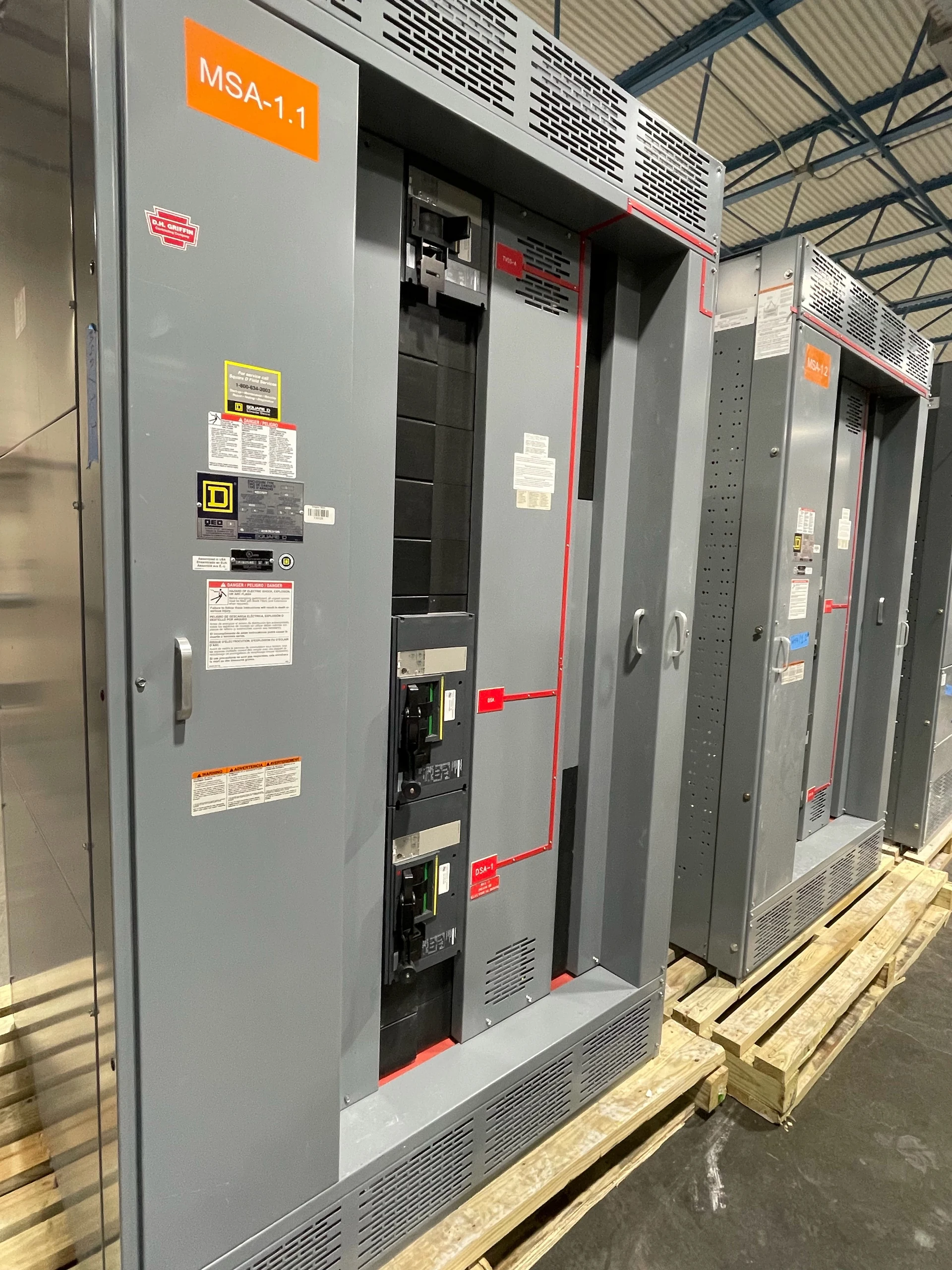
Use the latest approved one-line, elevations, device schedule and documented revisions as the inspection baseline. Compare the lineup identification, feeder designations, enclosure arrangement, access provisions and visible shipping damage with that baseline. Record an observation against a specific section or drawing revision so the parties can reproduce the review.
Inspectors should also confirm that nameplate information and any required listing evidence correspond to the ordered assembly. UL 891 can be relevant to an appropriate switchboard; it is not a blanket designation for all switchgear. Verify the actual project-specific listing and scope rather than accepting a general statement in a proposal.
Preserve evidence from factory to site
The purchase order should identify requested factory test reports, witness notification, photographs if needed, and the format and timing of documentation. Confirm which functions are testable at the factory and which depend on field wiring or external equipment. A successful factory review is useful evidence, but it does not verify every site connection.
At delivery, the receiving party should check for apparent damage, shortages, shipping splits and moisture concerns, documenting exceptions promptly under the contract and carrier requirements. The installation contractor coordinates handling and storage with the equipment instructions. Photographs and a dated receiving log help distinguish transit concerns from later installation issues.
Connect field results to design intent
Plan field inspections and tests around the installed equipment, the specification and manufacturer instructions. Depending on the project, records may address insulation, protective devices, control wiring or interlocks. Qualified testing personnel determine appropriate procedures and acceptance limits; the team should not assume that a factory result replaces an installation test.
Request reports that identify the equipment, test date, method, results, applicable criteria and unresolved deviations. Where protective settings or source-transfer interfaces are in scope, compare the recorded configuration with the approved study and control documents. Responsibility for settings, external signals and functional witnesses must be assigned rather than assumed.
Turn observations into a controlled punch list
Give each finding an identifier, location, description, responsible party and target resolution date. Attach evidence and distinguish a documentation discrepancy, such as a mismatched feeder label, from a functional problem or an incomplete protection setting. The engineer can then determine whether a proposed correction restores the approved design or requires a formal change.
Track the corrective action, supporting retest or revised drawing, and reviewer signoff through closure. If contract terms permit conditional acceptance, the owner and engineer should explicitly agree which noncritical items can remain open and who will close them. Acceptance should not be treated as permission to bypass unresolved safety or required inspection issues.
Schedule the handoff and final record
Build time into the schedule for submittal review, witness availability, correction of findings, site testing and utility or authority involvement where required. Identify dependencies between delivery, installation completion and the planned energization decision. Changes in the approved design or test scope should trigger a documented schedule and responsibility review.
The turnover package can bring together approved and as-built drawings, equipment manuals, inspection and test reports, settings records, listing evidence when required, and the closed punch list. Have the contractor, engineer and owner identify their signoffs and any outstanding obligations. Electrical work and energization decisions belong to authorized, qualified personnel following site safety procedures.
LET'S BUILD SOMETHING RELIABLE — 03
Ready to talk
switchgear?
Tell us about the new equipment your project needs. Include as much or as little detail as you have today.
(951) 403-5738CALL TO DISCUSS YOUR PROJECT