
BUILT IN THE USA. READY FOR YOUR PROJECT.
Switchgear Project Deliverables
A switchgear purchase is not complete when the lineup arrives: engineers, installers and facility owners also need a reliable record of what was designed, built and checked.
DIRECT FROM THE MANUFACTURER / NEW EQUIPMENT
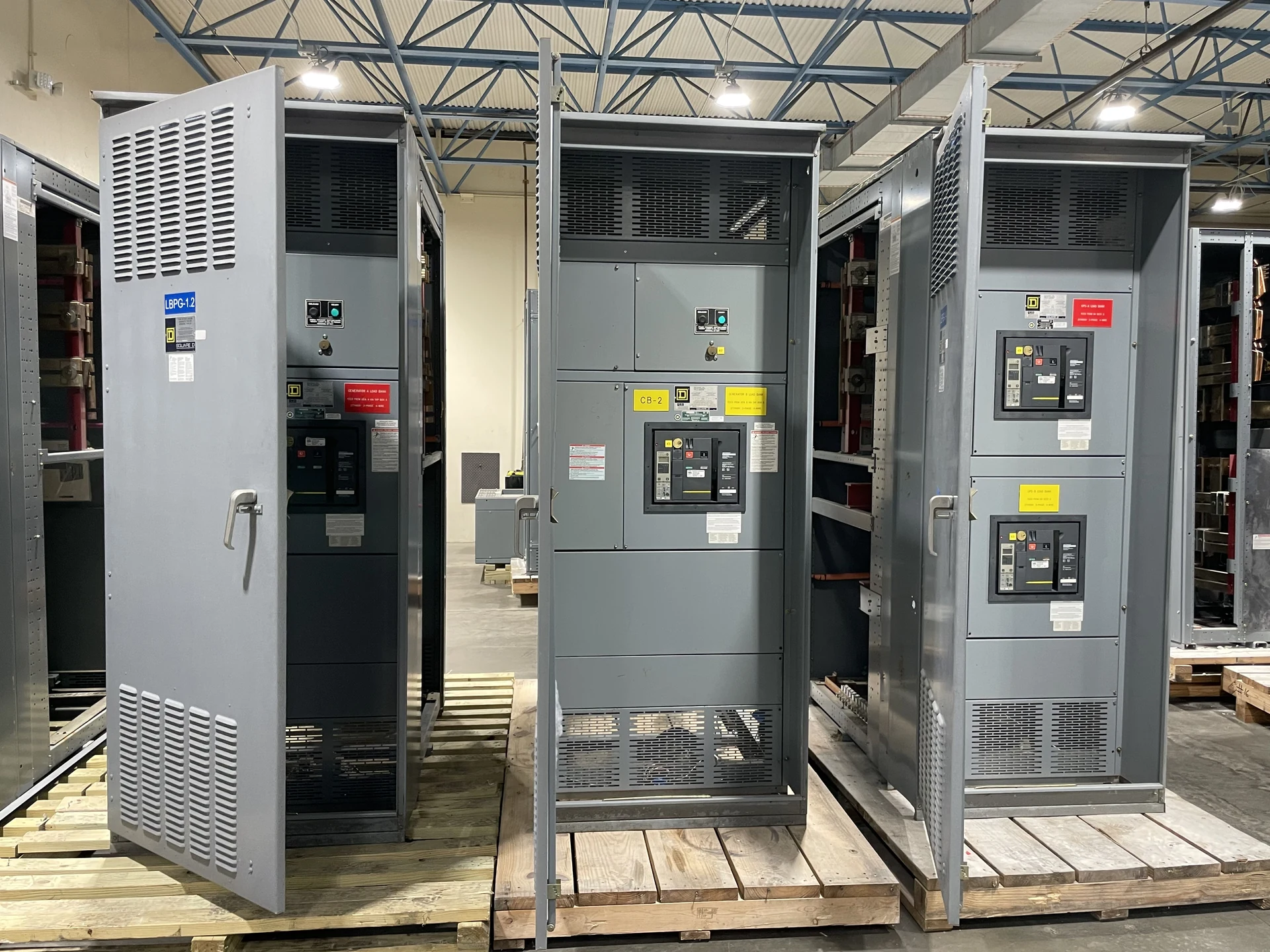
THE MANUFACTURER’S PERSPECTIVE — 02
A switchgear purchase is not complete when the lineup arrives: engineers, installers and facility owners also need a reliable record of what was designed, built and checked. Defining those deliverables before ordering new equipment makes review and turnover more predictable, whether the project is in San Antonio, elsewhere in South Texas or across the country.
Set the documentation scope before the order
The requesting team should provide the latest one-line diagram, equipment specifications, load and feeder schedules, available fault-current information, and installation constraints. Identify the intended equipment type and applicable standards, then tell the manufacturer which documents require approval, who reviews them, and whether electronic files, printed copies or both are needed.
A deliverables register can name the drawing or record, responsible party, planned issue stage, review period and required format. Compare quotations against that register: an attractive equipment scope may exclude witness testing, detailed control diagrams or extra manual copies. Clarify those differences before a purchase order fixes the scope.
Use drawings to resolve field interfaces
Submittal drawings should show the proposed electrical arrangement and physical layout, including device identification, feeder connections, overall dimensions, access requirements and cable-entry locations. Where relevant, request control schematics, terminal details and shipping splits. The specifying engineer reviews the proposed arrangement against the design; approval does not replace the manufacturer’s responsibility for its supplied assembly.
The contractor should check that the lineup can enter the building and align with foundations, conduits or busway. Request weights and lifting information for receiving plans, and coordinate utility metering interfaces when applicable. Track comments against drawing revisions so an earlier conduit layout is not mistaken for the final approved arrangement.
Agree on testing evidence, not just a test label
Define the factory inspection and test scope in the purchase documents, including acceptance criteria, any witness requirements and how deficiencies will be resolved. Depending on the assembly and specification, records might cover visual inspection, wiring verification or functional checks of specified controls. Ask which results will be recorded and supplied rather than assuming every check produces a separate report.
A factory record documents what was tested under defined conditions; it does not establish that site cabling, settings and installation are correct. Assign field testing and commissioning to qualified personnel and decide who collects those reports. If a factory item is corrected and retested, retain the disposition and revised results with the final package.
Match nameplates and identification to the design
Before fabrication, agree on equipment tags, feeder names and label wording using the owner’s identification system. The equipment nameplate should reflect the actual assembly and its applicable ratings; review the submitted details against the approved design rather than copying values from a preliminary one-line. The manufacturer and engineer should resolve discrepancies before release.
Separate factory-provided identification from field-applied labels. For example, an arc-flash study and any resulting field labels depend on project-specific system data and settings, so the contract should identify the responsible study provider and installer. Where UL 891 is specified for an appropriate switchboard, verify the proposed assembly’s listing and its configuration-specific scope.
Build a usable operating and maintenance package
A useful manual brings together final drawings, relevant component instructions, recommended maintenance information, test records and a parts list identifying the installed configuration. If protective devices or communications are included, establish whether settings files, point lists and software information are part of the delivery, and specify the required formats and access rights.
Avoid treating a stack of component brochures as a complete record. The owner needs a clear index linking manuals and device identifiers to the actual lineup. Distinguish manufacturer-supplied information from the final settings and commissioning records produced by the project team, and agree who incorporates those later additions.
Plan review, changes and final turnover
Put submittal issue, review, manufacturing release, testing and document turnover on the project schedule. Changes to feeder arrangements or controls after approval can affect procurement, drawings and testing; record the decision, cost and schedule implications before authorizing a revision. Do not assume that equipment delivery and final documentation necessarily occur on the same date.
Assign one party to assemble the final package and another to accept it on the owner’s behalf. Mark the status and revision of each item, reconcile field changes into the appropriate record drawings, and close outstanding comments. Installation, testing and energization remain the responsibility of qualified personnel under the site’s safety procedures and authorization process.
LET'S BUILD SOMETHING RELIABLE — 03
Ready to talk
switchgear?
Tell us about the new equipment your project needs. Include as much or as little detail as you have today.
(951) 403-5738CALL TO DISCUSS YOUR PROJECT