
BUILT IN THE USA. READY FOR YOUR PROJECT.
Switchgear Factory Acceptance Testing
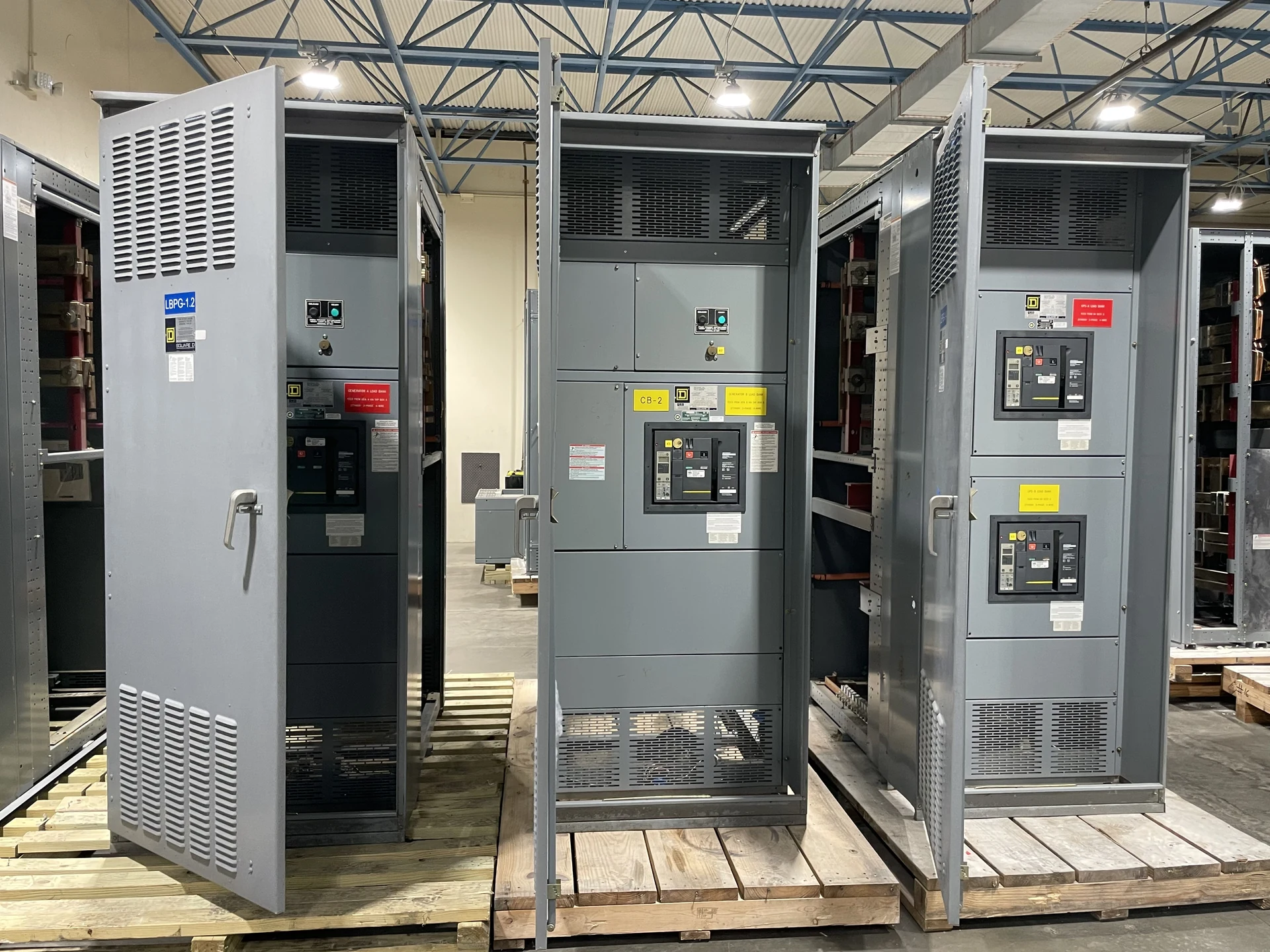
A factory acceptance test (FAT) gives the specifying engineer, contractor and facility owner a structured opportunity to check a newly manufactured switchgear assembly against an agreed scope before shipment.
DIRECT FROM THE MANUFACTURER / NEW EQUIPMENT
THE MANUFACTURER’S PERSPECTIVE — 02
A factory acceptance test (FAT) gives the specifying engineer, contractor and facility owner a structured opportunity to check a newly manufactured switchgear assembly against an agreed scope before shipment. It is most useful when the purchase documents define what will be examined, who may witness it and how results will be accepted. A FAT reduces uncertainty; it does not replace site commissioning or authorization to energize.
Set the boundary before ordering
Provide the manufacturer with the project one-line, specifications, approved equipment schedule and intended control sequences. Identify the assembly sections, feeders, protective devices, metering and communications included in the FAT. A test matrix can tie each check to a drawing revision, responsible party and required record, making omissions visible before the purchase scope is finalized.
Distinguish visual and mechanical inspection, routine production checks and optional witnessed functional demonstrations from any design or type-test evidence required by the specification. A project FAT does not itself establish an equipment listing or demonstrate every possible fault condition. Confirm the applicable standard and listing requirements for the actual assembly rather than assuming that one test covers all equipment types.
Agree on observable pass criteria
The test procedure should identify the method, prerequisites, expected result and disposition for each item. For example, a control sequence can require a specified indication and alarm for each defined input state. The engineer and manufacturer should resolve ambiguous phrases such as “operates correctly” by referencing the approved logic, device documentation and project acceptance requirements.
For measured checks, establish the instrument requirements, units, relevant conditions and acceptance limits in the approved procedure before testing. Limits must suit the components and applicable instructions, not an arbitrary number borrowed from another project. Record actual readings and instrument identification or calibration information when required; a simple pass mark alone may not provide a useful baseline.
Exercise controls and interface assumptions
Functional checks should reflect the project’s operating philosophy. For a multiple-source arrangement, the agreed test might demonstrate specified permissives, interlocks and status indications for selected source conditions. Define which external signals are simulated, which devices are physically present and whether remote monitoring points are checked at a terminal, gateway or complete communications link.
A simulated generator signal or building-management input verifies only the factory test boundary, not the performance of equipment installed elsewhere. Identify site-owned control power, network addressing, protective settings and downstream connections as separate interfaces. The contractor and commissioning team can then plan field verification without assuming that a successful factory demonstration covered the complete system.
Plan witnessing around the schedule
Decide whether witnesses attend in person, observe remotely or review records afterward. Name the owner’s and engineer’s representatives, establish notice periods and define hold points that require their participation. A remote session should specify camera coverage, access to the procedure and how a witness can see results and raise questions as testing proceeds.
Allow time for approved submittals, component availability, assembly completion, the test itself and possible retesting before shipment. Extensive witness points or specialized interface simulations can add coordination and cost, but may be worthwhile for complex controls. Link the proposed factory window to delivery and site work without treating an early schedule estimate as a guarantee.
Resolve exceptions with a clear record
Assign each failed check or drawing discrepancy an identifier, description, affected section and owner. The manufacturer should document the proposed correction and its effect on related tests; the engineer or owner should review changes within the project’s approval process. Retest affected functions as agreed, and record both the original result and the final disposition.
Minor documentation corrections and unresolved functional failures should not be treated alike. Establish who can accept a documented deviation, what evidence is needed and whether shipment can proceed with an open item. A deviation must not silently change specified electrical duty, protective functions or required listing; obtain appropriate engineering and project approvals first.
Turn factory results into a site handoff
Request a final package identifying the equipment, drawing and procedure revisions, test dates, participants, results, exceptions and completed retests. Include relevant test equipment records, approved changes and outstanding field actions as specified. The contractor can compare this package with shipping splits, connection drawings and installation instructions when planning receipt and assembly at the site.
Factory acceptance is not permission to energize. Transportation, field connections, settings and external interfaces may require additional inspection and commissioning under the project plan. Qualified electrical personnel must perform electrical work and testing under applicable safety procedures, while the owner designates the authority for final site acceptance and energization decisions.
LET'S BUILD SOMETHING RELIABLE — 03
Ready to talk
switchgear?
Tell us about the new equipment your project needs. Include as much or as little detail as you have today.
(951) 403-5738CALL TO DISCUSS YOUR PROJECT