
BUILT IN THE USA. READY FOR YOUR PROJECT.
Managing Switchgear Design Changes
A switchgear design change can begin with a revised load, a different cable route, or a new owner requirement.
DIRECT FROM THE MANUFACTURER / NEW EQUIPMENT
THE MANUFACTURER’S PERSPECTIVE — 02
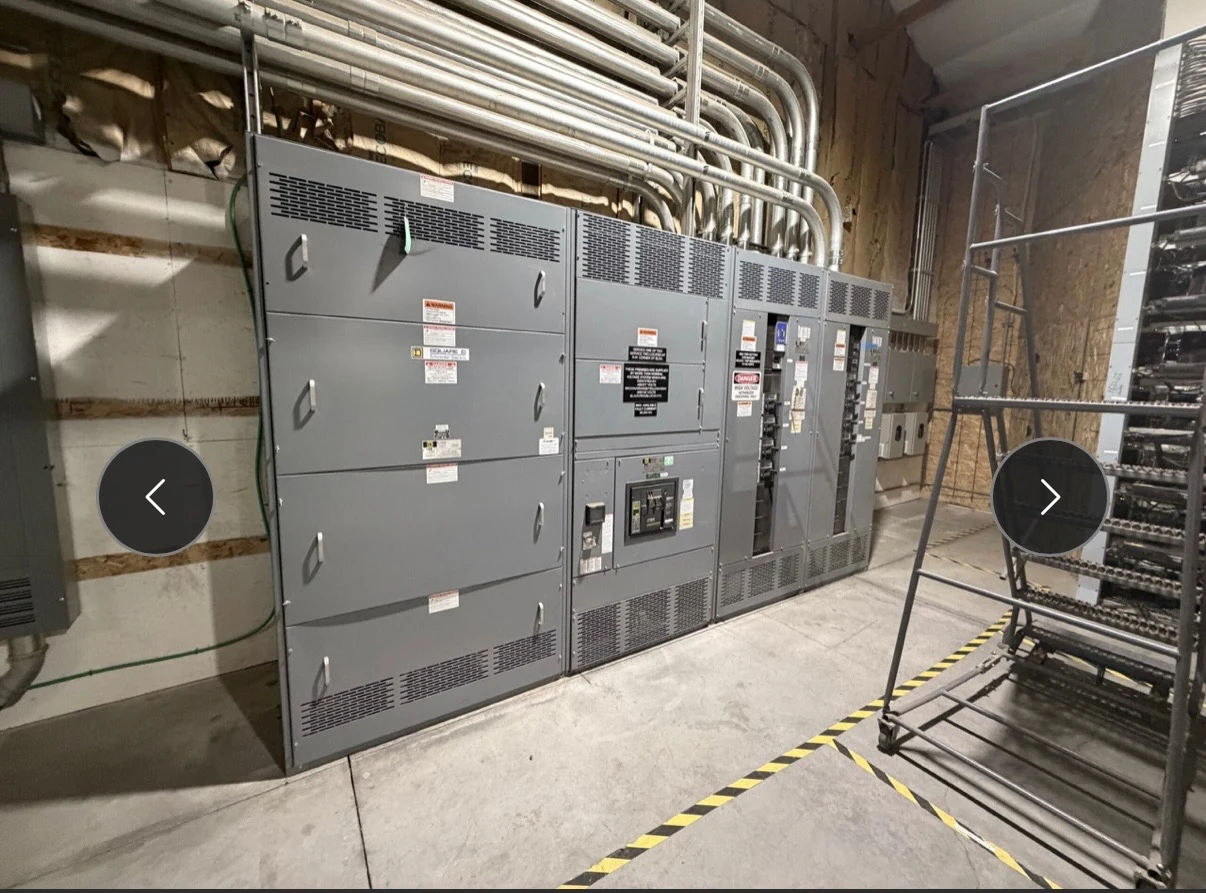
A switchgear design change can begin with a revised load, a different cable route, or a new owner requirement. Its effects may reach far beyond one drawing. For specifying engineers, contractors and facility owners, disciplined change control connects technical decisions with approvals, purchasing commitments and the final record of a newly manufactured assembly.
Establish a baseline everyone can identify
Before releasing a new assembly for manufacture, collect the current one-line diagram, load and feeder schedules, specifications, equipment layout and interface drawings. Record each document number, revision and date, including any accepted proposal exceptions. The baseline should also identify unresolved assumptions, such as the available fault-current information or the final utility metering arrangement.
Keep a single change register with an identifier, originator, description, affected documents, decision owner, due date and status. Link each request to the drawing revision it changes. A clouded drawing alone is not enough: reviewers need to know whether a proposed revision is pending, accepted, rejected or incorporated into the released manufacturing documents.
Trace the technical consequences
Examine more than the component named in a request. An additional feeder, for example, can affect bus loading, protective device selection, available space, cable termination and the distribution study. The specifying engineer should assess the revised source and load information, while the manufacturer reviews whether the proposed assembly can accommodate the change.
A change from top to bottom cable entry may alter the enclosure layout, conductor bending space and foundation or trench interface. Ask the contractor to check the field route and the design team to review working space and access. If a specified listing is required, verify that the revised construction remains within the applicable project-specific listing scope.
Assign reviews and decision authority
Define who can request, review and authorize a change before design questions accumulate. The engineer of record assesses design intent and required studies; the manufacturer evaluates assembly design and fabrication; the contractor checks installation interfaces; and the owner resolves operational priorities and commercial authority. Utility or authority review may also be needed where their requirements are affected.
Circulate a concise change package describing the existing baseline, proposed revision, technical effects, open questions and requested decision. Attach marked-up one-lines, elevations or control diagrams as appropriate. Drawing review comments should be resolved and documented; receipt of a submittal is not itself approval to alter the contract or begin a different fabrication scope.
Connect approval to purchasing commitments
Ask the manufacturer which materials, devices and fabrication operations have already been committed and which remain open. A late change in breaker functions or communications may require a different component, wiring layout or test plan. An earlier decision can preserve options, while holding every purchase pending final decisions may introduce its own schedule risk.
Before authorizing a revision, compare the cost and schedule impact with the unchanged scope. Identify any cancellation, rework or storage terms in the proposal or change order rather than assuming they are included. An alternate component needs documented technical comparison and the required approvals; availability alone does not establish equivalence or permission to substitute.
Resequence the project around the change
Tie the register to a schedule showing design review, procurement release, fabrication, factory inspection, delivery and installation interfaces. Note which activities depend on the revised drawing and which can proceed independently. Request updated milestone estimates after the impact assessment, allowing time for owner, engineer, utility and other reviews where applicable.
Consider downstream work as well as the assembly: revised dimensions can affect foundations and rigging, and revised controls can alter network points or commissioning tests. For an occupied facility, the owner and contractor should reassess outage windows and temporary arrangements. Electrical work, testing and energization remain the responsibility of qualified personnel under site procedures.
Close the loop in turnover records
When a change is approved, identify the superseded drawings and issue coordinated revisions to every affected party. Confirm that the bill of materials, wiring diagrams, nameplate information and factory test criteria reflect the accepted scope. Track any remaining discrepancies to a named owner and a documented disposition before project handoff.
At turnover, provide the agreed final drawings, component information, test records and manuals for the manufactured assembly. Separately capture field changes and commissioning results supplied by the installation team, then reconcile them into the project record. The owner should know who prepares and accepts the final as-built documentation and where outstanding decisions are recorded.
LET'S BUILD SOMETHING RELIABLE — 03
Ready to talk
switchgear?
Tell us about the new equipment your project needs. Include as much or as little detail as you have today.
(951) 403-5738CALL TO DISCUSS YOUR PROJECT