
BUILT IN THE USA. READY FOR YOUR PROJECT.
Medium-Voltage Switchgear for Airports
Airport power distribution must serve spaces with very different operating priorities, from passenger terminals to airfield systems.
DIRECT FROM THE MANUFACTURER / NEW EQUIPMENT
THE MANUFACTURER’S PERSPECTIVE — 02
Airport power distribution must serve spaces with very different operating priorities, from passenger terminals to airfield systems. Medium-voltage switchgear can organize incoming sources and feeders while providing protective switching at a central distribution point. For owners and specifiers, the purchase starts with a clear picture of which loads depend on each feeder, how alternate power connects, and which interruptions the airport can accommodate.
Map airport loads before choosing a lineup
Start with a current one-line diagram showing utility sources, transformers, switching points and feeder destinations. Identify terminal distribution, central plant equipment, airfield facilities and other loads separately, along with demand, expected growth and required operating states. The distinction helps determine whether a single bus, sectionalized bus or other arrangement deserves engineering consideration.
Airfield lighting and navigational systems can involve separate equipment, authorities and continuity requirements; do not assume every fixture is connected directly to a medium-voltage feeder. The owner and design team should identify the distribution boundary, responsible agency and applicable criteria for each interface. A feeder serving a terminal may have a different restoration priority from one serving an airfield facility.
Match construction to electrical duty and access
Provide the system nominal voltage, grounding method, load currents and available fault-current information for every relevant source configuration. The engineer must compare the specified equipment voltage class, insulation, continuous current, interrupting duty and short-time withstand with the study results. An equipment label or nominal system voltage alone does not establish suitability.
Metal-clad and other metal-enclosed arrangements differ in compartmentation, switching devices, access and maintenance provisions. Compare those features against the airport’s operating philosophy, available room and future feeder plans, rather than assuming either construction is universally preferable. Confirm applicable equipment standards, any required listing and the proposed configuration with the manufacturer before approval.
Define standby-source and protection interfaces
A generator or second utility source is not automatically a complete standby scheme. The one-line and narrative should show connection points, transfer equipment, source capacity, grounding, permissible operating states and whether paralleling is intended. Coordinate interlocks and controls with the responsible source and transfer-equipment suppliers so a proposed sequence does not rely on an unspecified signal.
Protective relay functions depend on current and voltage transformer inputs, settings, trip power and upstream and downstream device characteristics. Ask the project’s protection engineer to evaluate available fault duty and coordination for normal, alternate and tie configurations. Define who supplies the study and settings, and how loss of control power or a communications failure is indicated.
Plan the physical and communications boundaries
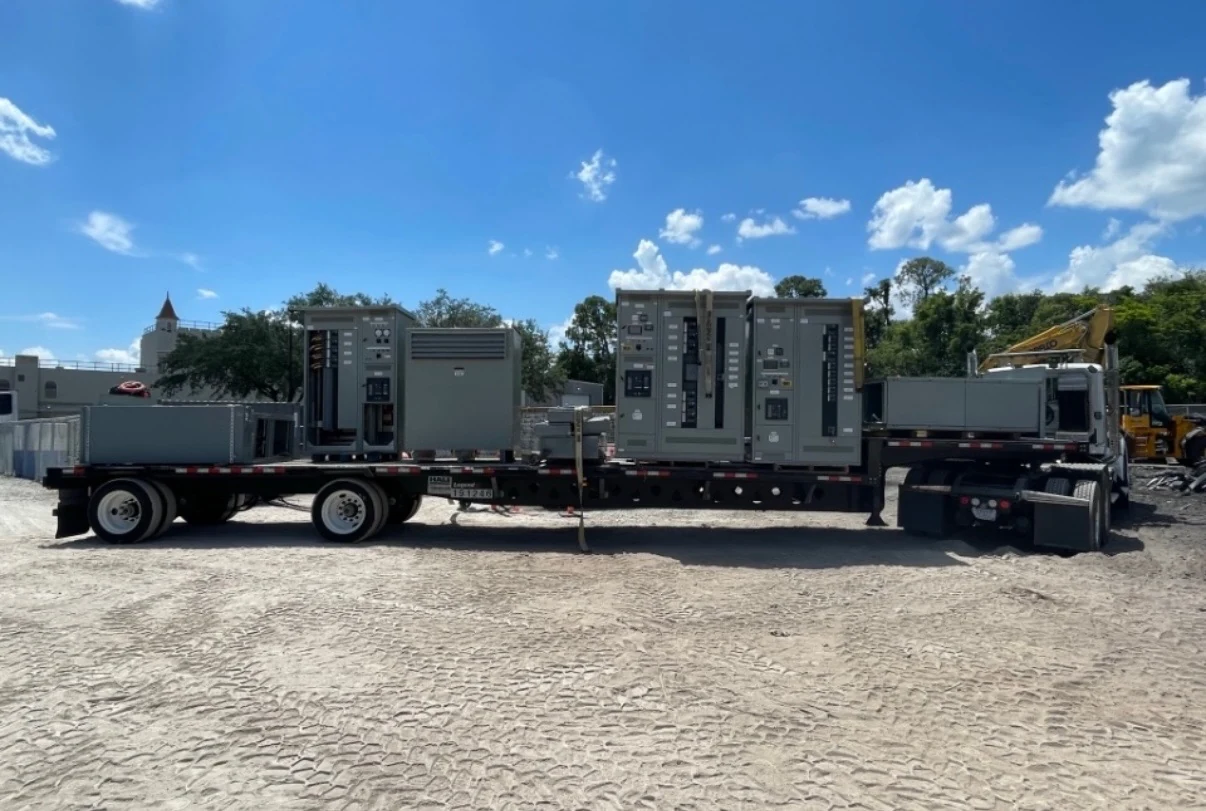
Share room or site drawings with the inquiry: equipment footprint, access routes, cable entry, termination sizes and quantities, working space, ventilation and environmental exposure. Large shipping sections may not fit the same route as smaller ones. Agree on shipping splits, lifting information, foundation and anchorage interfaces, and which contractor makes field connections.
If airport operations require remote status or control, specify the point list, communications protocol, network ownership and cybersecurity requirements. Distinguish monitoring from control authority and identify the party responsible for integrating the switchgear with the airport system. Local indications, alarm routing and testing responsibilities should remain clear even when a network connection is unavailable.
Buy against an explicit submittal package
A useful request for quotation includes the one-line, feeder schedule, electrical studies available to date, construction preferences, drawings and performance specifications. List required witness tests, spare provisions and documentation. A direct manufacturer serving San Antonio, South Texas and nationwide can then evaluate a newly manufactured assembly against the actual project, including feasibility and component availability.
Compare proposals by scope as well as price: protective devices, instrument transformers, control power, enclosures, shipping sections and exceptions can materially change the offer. Request drawings showing equipment elevations, connection details, device schedules and control interfaces. If component origin is a project requirement, specify the evidence needed and confirm sourcing for the actual bill of materials.
Coordinate phased work and acceptance
Airport schedules may limit shutdown windows and access to secure or occupied areas. Develop milestones around design approval, utility and airport reviews, component procurement, fabrication, testing, delivery and field readiness. For a phased project, identify temporary power and interface responsibilities, affected loads, outage approvals and a recovery plan; revise the schedule when inputs or approvals change.
Define factory acceptance checks and records in the purchase documents, including functional verification of agreed control and protection interfaces. The owner’s qualified electrical personnel and contractors plan installation, field testing and energization under site procedures, applicable requirements and equipment instructions. At turnover, obtain approved drawings, test reports, manuals, settings records and an interface list for future operations.
LET'S BUILD SOMETHING RELIABLE — 03
Ready to talk
switchgear?
Tell us about the new equipment your project needs. Include as much or as little detail as you have today.
(951) 403-5738CALL TO DISCUSS YOUR PROJECT