
BUILT IN THE USA. READY FOR YOUR PROJECT.
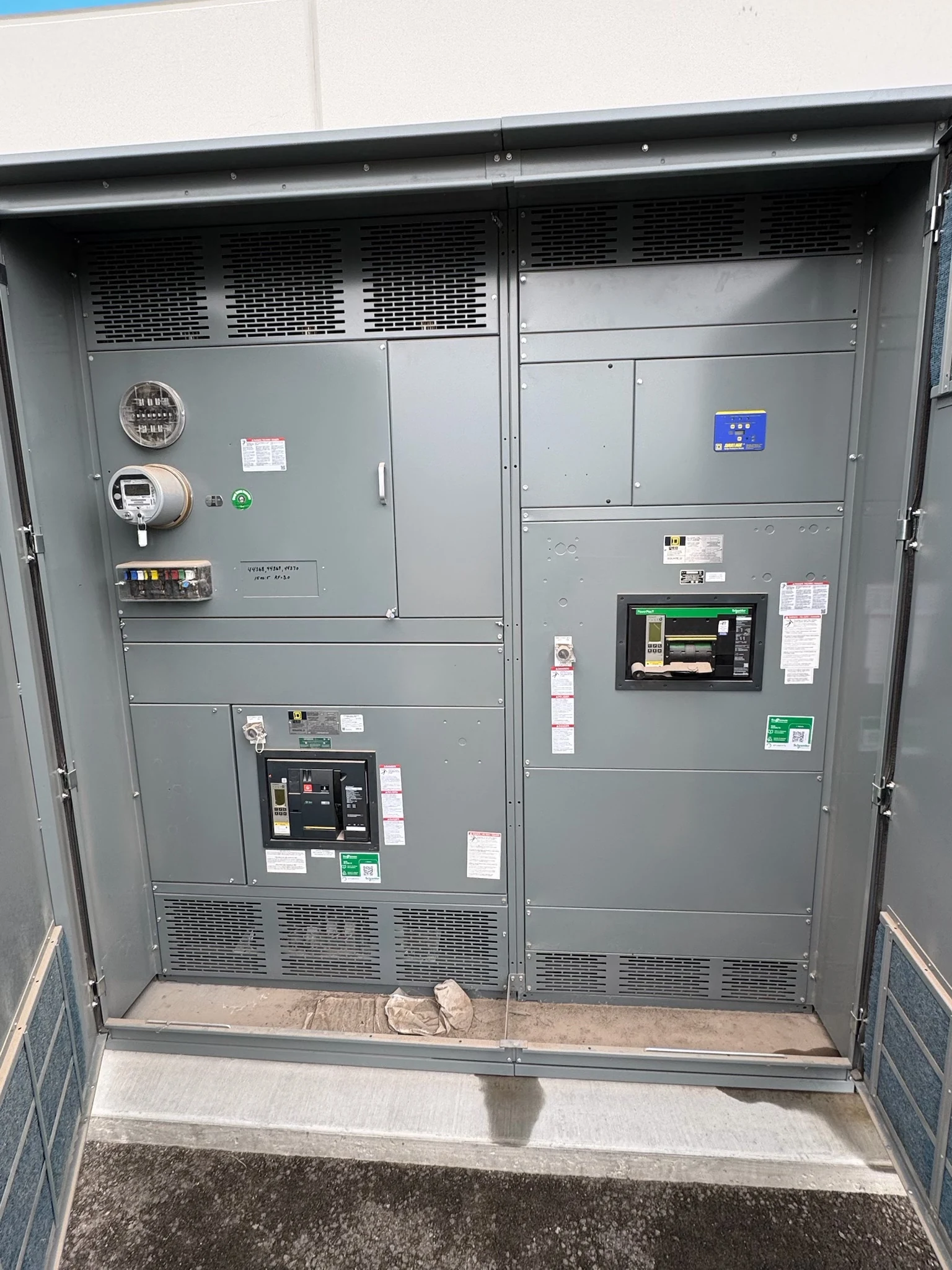
Medium-Voltage Switchgear for Military Bases
Military installations rely on medium-voltage distribution to connect utility or on-site sources with substations and feeders serving multiple facilities.
DIRECT FROM THE MANUFACTURER / NEW EQUIPMENT
THE MANUFACTURER’S PERSPECTIVE — 02
Military installations rely on medium-voltage distribution to connect utility or on-site sources with substations and feeders serving multiple facilities. A new switchgear lineup must do more than match a nominal voltage: its switching arrangement, protection and interfaces should support mission priorities and documented operating requirements. Owners, engineers and procurement teams can reduce uncertainty by defining continuity, security and acceptance requirements before seeking proposals.
Translate mission priorities into a distribution scheme
Start with a current one-line diagram and a list of facilities served by each feeder. Identify loads that tolerate a planned interruption, loads with alternate power, and functions whose loss has wider operational consequences. The base electrical authority and design engineer should confirm the priorities without embedding sensitive mission details in an unrestricted purchase request.
A second source or a bus tie may provide operating flexibility, but it adds devices, interlocks, space and protection complexity. Document the intended normal, maintenance and contingency configurations, including whether sources may operate in parallel. The engineer must check whether the alternate path has sufficient capacity and whether a common failure could still interrupt important feeders.
Establish electrical duty and construction
Provide system nominal voltage, frequency, grounding arrangement, load and anticipated growth, along with transformer and source information. Obtain available fault-current data for each relevant source configuration. The equipment voltage class, continuous-current capability, interrupting duty and short-time withstand must be evaluated together against the engineered system, not inferred from a feeder label.
Specify the required switching devices, feeder count, future provisions and indoor or outdoor environment. Metal-clad and other metal-enclosed arrangements differ in construction and access; do not assume identical compartmentation or maintainability. Compare the requested features against the applicable project standards, owner specification and proposed assembly, and confirm actual availability during engineering review.
Coordinate protection and control interfaces
Protective relays need a defined relationship with upstream utility devices, downstream feeders and any alternate source. Supply the coordination-study assumptions, required relay functions, current and voltage transformer information, and trip-power arrangement. A qualified engineer should review protection settings and equipment duties across credible configurations; selective operation cannot be assumed from a device schedule alone.
For remote monitoring or control, specify the point list, communications protocol, network boundary and which party supplies the interface. Define local versus remote authority, alarms, interlocks and the response to loss of control power or communications. Base cybersecurity and configuration requirements should be established by the owner and incorporated into the approved controls scope.
Resolve site and security constraints early
The contractor and engineer should verify the installation footprint, access route, handling limits, foundation, required working clearances and cable-entry arrangement. Identify feeder cable quantities, termination responsibilities, grounding connections and any space needed for future sections. Outdoor exposure, temperature, condensation and ventilation can affect enclosure selection and must be reviewed for the actual site.
Military work can involve controlled drawings, visitor restrictions and installation-specific approval processes. Confirm the authorized channel for transferring system information and identify who may attend reviews, delivery or witnessed testing. Provide sensitive details only through the owner-approved process; security requirements belong in the project scope rather than assumptions about access.
Compare proposals on complete scope
A useful request to a direct manufacturer includes the one-line, electrical studies or available data, equipment specifications, site constraints, desired schedule and a clear list of interfaces. Ask bidders to identify exceptions, component availability, applicable standards and project-specific listing or certification requirements. Where component origin is specified, request documentation and confirm availability rather than assuming every component qualifies.
Compare submittal drawings, device schedules, relay and control schematics, terminal details, shipping splits, manuals and proposed test records as well as equipment scope. State who supplies primary cables, control power, protection settings, field connections and start-up services. A lower initial proposal may shift important engineering or field work to the installation contractor.
Plan reviews, outages and acceptance
Build the schedule around design review, drawing approval, component procurement, fabrication, factory testing, shipment and site readiness. Security reviews and changes to the one-line can affect those milestones. Agree on inspection and witness points, functional test criteria, discrepancy resolution and the records needed for turnover; timing remains subject to the final scope and approvals.
For new equipment replacing an existing lineup, coordinate outages with affected facility owners and confirm temporary power requirements before installation. Qualified personnel should perform electrical work, testing and energization under approved site procedures, applicable codes and manufacturer instructions. Closeout should identify accepted drawings, test results, settings, operating documentation and any remaining owner responsibilities.
LET'S BUILD SOMETHING RELIABLE — 03
Ready to talk
switchgear?
Tell us about the new equipment your project needs. Include as much or as little detail as you have today.
(951) 403-5738CALL TO DISCUSS YOUR PROJECT