
BUILT IN THE USA. READY FOR YOUR PROJECT.
15 kV Switchgear: Procurement and Submittal Checklist
A request for 15 kV switchgear is a starting point, not a complete equipment specification.
DIRECT FROM THE MANUFACTURER / NEW EQUIPMENT
THE MANUFACTURER’S PERSPECTIVE — 02
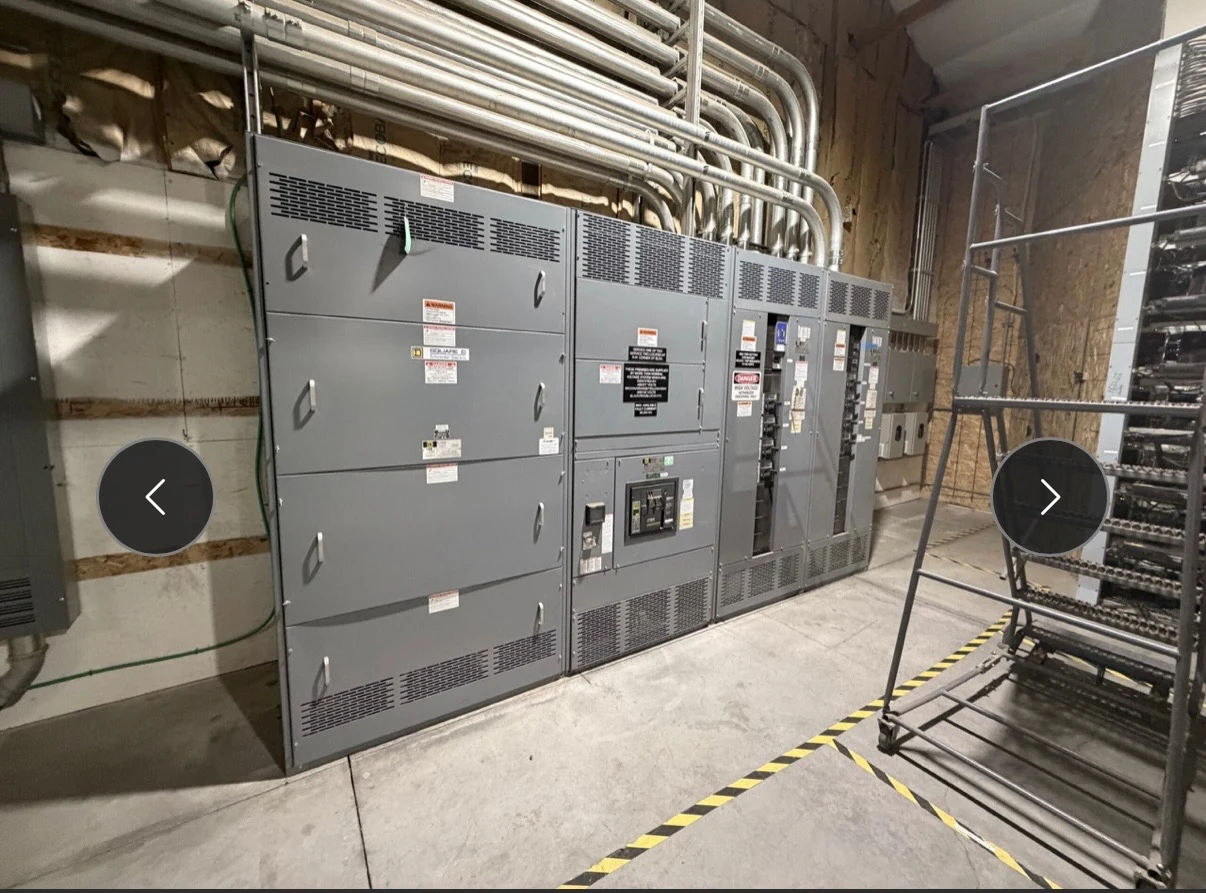
A request for 15 kV switchgear is a starting point, not a complete equipment specification. An actionable package connects the power system, protection philosophy and installation constraints to a clearly defined scope of supply. Owners, engineers and contractors can use the checklist below to solicit comparable proposals for newly manufactured assemblies and to review drawings before fabrication.
Start with the electrical picture
Provide the latest one-line diagram, identifying each incoming source, transformer, main, bus section, tie and outgoing feeder. Mark normal and alternate operating arrangements, planned spare ways and foreseeable load growth. Include continuous load and demand assumptions, motor or transformer duties where relevant, and the revision date so a bidder does not price an obsolete configuration.
Identify the nominal system voltage, frequency, phases and grounding method, along with the expected maximum system voltage and any unusual operating conditions. Supply the utility or engineer’s available fault-current information at the equipment connection, including study assumptions and X/R data when available. Missing source information should appear as an explicit quotation assumption, not an implied final rating.
Define ratings rather than relying on the label
Ask the engineer and manufacturer to verify the equipment voltage class, maximum voltage and insulation requirements for the actual system. Identify required insulation withstand levels and any surge protection or coordination criteria from the project design. A nominal 15 kV description alone does not establish a particular assembly’s suitability or confirm that it is available.
List bus and feeder continuous-current requirements separately from fault duty. Request the proposed assembly withstand, short-time and peak capabilities, together with interrupting and closing duties for the selected devices, as applicable. The project engineer must compare those ratings with calculated duty and protective clearing times; a device’s interrupting rating alone does not establish the entire lineup’s withstand capability.
Show how protection and controls connect
The request should describe required protective functions and provide the coordination study or its design basis if available. Identify breaker or switching-device preferences, current and voltage transformer ratios and accuracy needs, relay inputs, trip circuits and control-power sources. The manufacturer can then identify integration questions or exceptions rather than making undocumented assumptions about the protection scheme.
For remote monitoring or control, include a preliminary point list, communication protocol, network boundary and required indications. Define who supplies settings, performs the protection study and approves interlock logic. Specify expected behavior on loss of control power or communications for engineering review; an owner’s operating requirements may materially change the control package and testing scope.
Give the bidder a real installation envelope
Provide room or outdoor site plans with entry routes, equipment orientation, access needs and available installation space. State ambient and altitude conditions, moisture or corrosive exposure, enclosure expectations and any seismic criteria. Enclosure construction and ventilation affect footprint and cost, so an indoor assumption can undermine a comparison for an exposed location.
Identify top or bottom cable entry, conductor size and quantity, termination type, cable shielding and grounding interfaces, and any transformer or bus connection dimensions. Request foundation and anchorage information, shipping section dimensions and weights on the submittal. The design team must check bending space, working clearances, lifting access and field connections against actual site conditions.
Make the quotation scopes comparable
Request a line-item scope that identifies major devices, instruments, enclosure, control power, metering, spare provisions and accessories. Ask each bidder to separate included work from options and exclusions, including field cable terminations, civil work, settings, installation and commissioning. Where domestic component origin is a project requirement, state the documentation needed and verify individual component availability rather than assuming it.
Compare proposed construction, ratings and protective functions as well as price. Require a written exception list against the specification, including alternatives and their effect on interfaces or documentation. Identify applicable product standards and any project-specific listing or labeling requirement; confirm the proposed assembly’s actual scope of compliance and acceptance with the engineer and authority having jurisdiction.
Set submittal gates and turnover records
For review, request an updated one-line, front elevations and dimensions, device and instrument schedules, interconnection and control schematics, terminal details, foundation information and a list of deviations. Agree on the drawing revision and approval responsibilities. Review of a submittal should resolve equipment interfaces and exceptions, not replace the engineer’s system design or coordination study.
Build the schedule around design information, approval cycles, component availability, manufacturing and any agreed factory inspection or witness tests. Define test procedures, acceptance criteria, notices and final records before ordering. At turnover, obtain approved drawings, manuals and applicable test reports. Qualified personnel should plan installation, field testing and energization under site procedures and the manufacturer’s instructions.
LET'S BUILD SOMETHING RELIABLE — 03
Ready to talk
switchgear?
Tell us about the new equipment your project needs. Include as much or as little detail as you have today.
(951) 403-5738CALL TO DISCUSS YOUR PROJECT