
BUILT IN THE USA. READY FOR YOUR PROJECT.
Motor Control Centers: Enclosure and Environment
A motor control center (MCC) groups motor starters, protective devices and controls into a common lineup, but its enclosure must suit the place where those components actually operate.
DIRECT FROM THE MANUFACTURER / NEW EQUIPMENT
THE MANUFACTURER’S PERSPECTIVE — 02
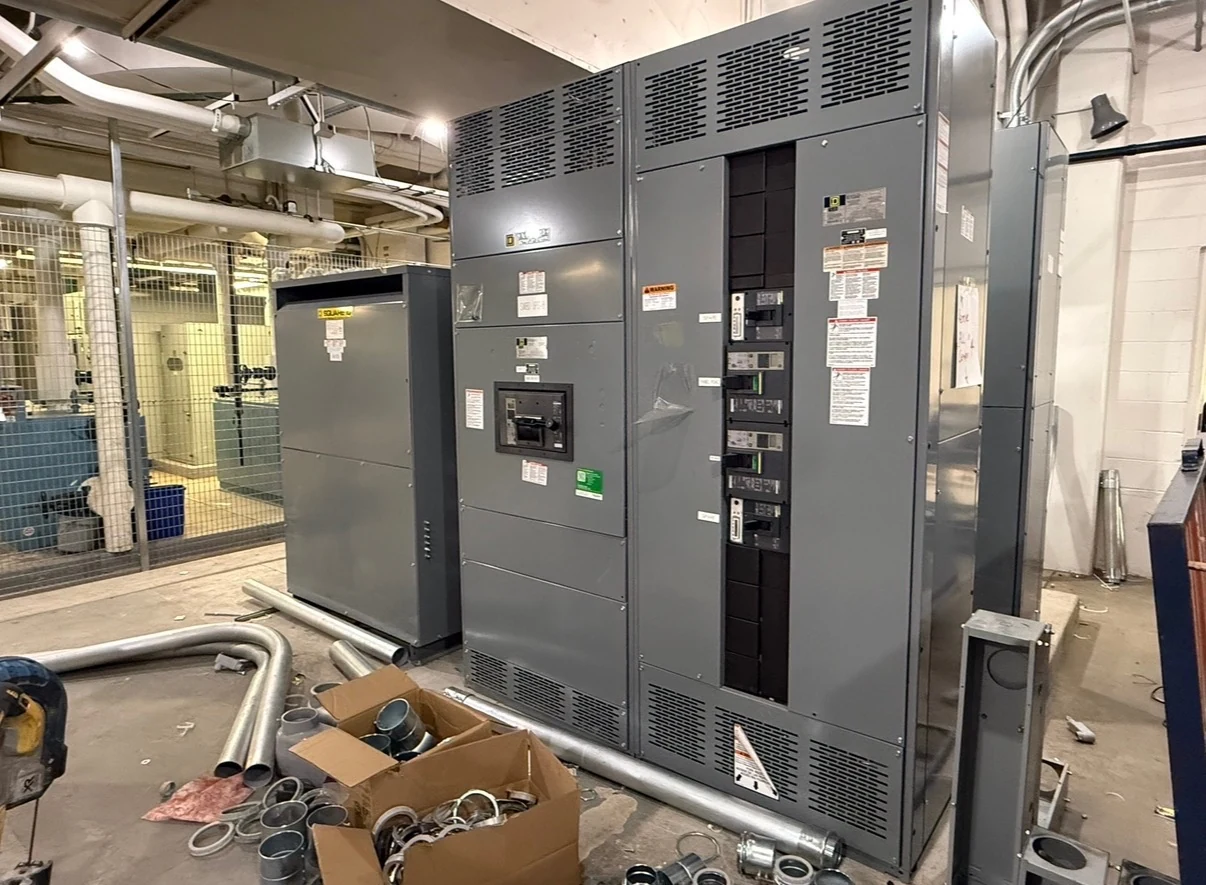
A motor control center (MCC) groups motor starters, protective devices and controls into a common lineup, but its enclosure must suit the place where those components actually operate. For owners, engineers and contractors, the right choice balances exposure protection, heat removal and practical access. Define the environment before requesting a new assembly so the manufacturer can evaluate the enclosure as part of the complete MCC, not as a separate cabinet.
Describe the exposure, not just the room
Provide the proposed location and describe normal and abnormal conditions: ambient temperature range, humidity, airborne dust, corrosive gases, salt, water spray and cleaning chemicals. Note whether nearby processes can release contaminants or whether the space is subject to washdown. A sheltered indoor electrical room and a motor area exposed to process mist may require very different construction.
Include elevation, expected changes in temperature and any direct solar exposure. If flammable gas or combustible dust may be present, have the responsible engineer determine the area classification and applicable equipment requirements before selecting an enclosure. A general-purpose enclosure designation alone does not establish suitability for a classified location.
Choose protection for the whole assembly
Specify the required enclosure type or other applicable ingress criteria, then ask the manufacturer to confirm that the complete proposed construction meets the project requirement. Doors, gaskets, ventilation openings, cable entries and field-added penetrations all matter. An enclosure intended to limit dust entry may be a poor choice if a later, uncoordinated opening compromises that protection.
Material, coating, fasteners and seals should be considered together against the actual chemical and cleaning environment. More protective construction can increase cost or complicate cooling and service access; a different finish is not automatically resistant to every substance. Obtain the proposed enclosure details and any applicable listing or verification information rather than relying on a generic cabinet description.
Balance cooling with contamination control
MCC heat comes from components such as starters, protective devices and bus connections; variable-frequency drives, if included, can add substantial heat. Supply the motor schedule, operating assumptions and expected simultaneous loads. Request equipment heat-loss and allowable ambient information for the proposed configuration so the mechanical engineer can assess room cooling and ventilation.
Filtered airflow can limit contamination while carrying heat away, but filters need inspection and replacement access, and the intake must draw from an acceptable location. A more tightly enclosed design may need a different cooling approach. Temperature swings and humidity can also cause condensation; discuss space heaters, controls, power supply and drainage provisions where appropriate, without assuming a heater solves every moisture problem.
Preserve access for motor circuits and wiring
Review the lineup elevation with the people who will maintain it. Door swing, access to individual motor units, terminal areas and any specified removable units all influence the space needed in front of the MCC. Confirm whether rear or side access is required. The design team should apply the actual equipment instructions and applicable clearance and egress requirements to the site layout.
Identify top or bottom cable entry, conduit routes, conductor quantities and sizes, and the separation needed between power and control wiring. Allow for termination and bending space as well as future circuits. Coordinate field entry methods with the enclosure design, particularly where water or contaminants could follow a conduit into the lineup.
Compare location and installation tradeoffs
Locating an MCC near motor loads can simplify some cable routes, but a production area may expose it to heat, vibration, cleaning spray or restricted access. A cleaner electrical room adds building and routing coordination yet may make environmental control easier. Compare the entire installation, not simply the enclosure purchase, before choosing the location.
For an exposed location, establish the required weather protection, access during inclement conditions and any shelter or civil work. Confirm the feasibility of the proposed outdoor arrangement with the manufacturer; do not assume an indoor lineup can simply be placed outside. Provide floor or foundation details, anchorage criteria, delivery route restrictions and the planned division of installation responsibilities.
Turn environmental decisions into a purchase package
Send the manufacturer a one-line diagram, motor and feeder schedule, site environmental criteria, desired entry locations, access constraints and future-space requirements. Identify applicable codes, equipment standards, required listings and any owner restrictions on materials. Request drawings showing dimensions, access, ventilation, connection points and heat rejection, along with a clear list of exceptions and interfaces.
Agree on who reviews the mechanical and electrical details, supplies site cooling and completes field penetrations. Schedule drawing approval, component availability review, fabrication, inspections, delivery and site readiness as linked milestones rather than assuming a fixed lead time. At turnover, obtain the applicable instructions and inspection records; installation, testing and electrical work belong to qualified personnel following site procedures and manufacturer instructions.
LET'S BUILD SOMETHING RELIABLE — 03
Ready to talk
switchgear?
Tell us about the new equipment your project needs. Include as much or as little detail as you have today.
(951) 403-5738CALL TO DISCUSS YOUR PROJECT