
BUILT IN THE USA. READY FOR YOUR PROJECT.
Electrical Switchboards: Enclosure and Environment
A switchboard enclosure does more than provide a place to mount main and feeder devices.
DIRECT FROM THE MANUFACTURER / NEW EQUIPMENT
THE MANUFACTURER’S PERSPECTIVE — 02
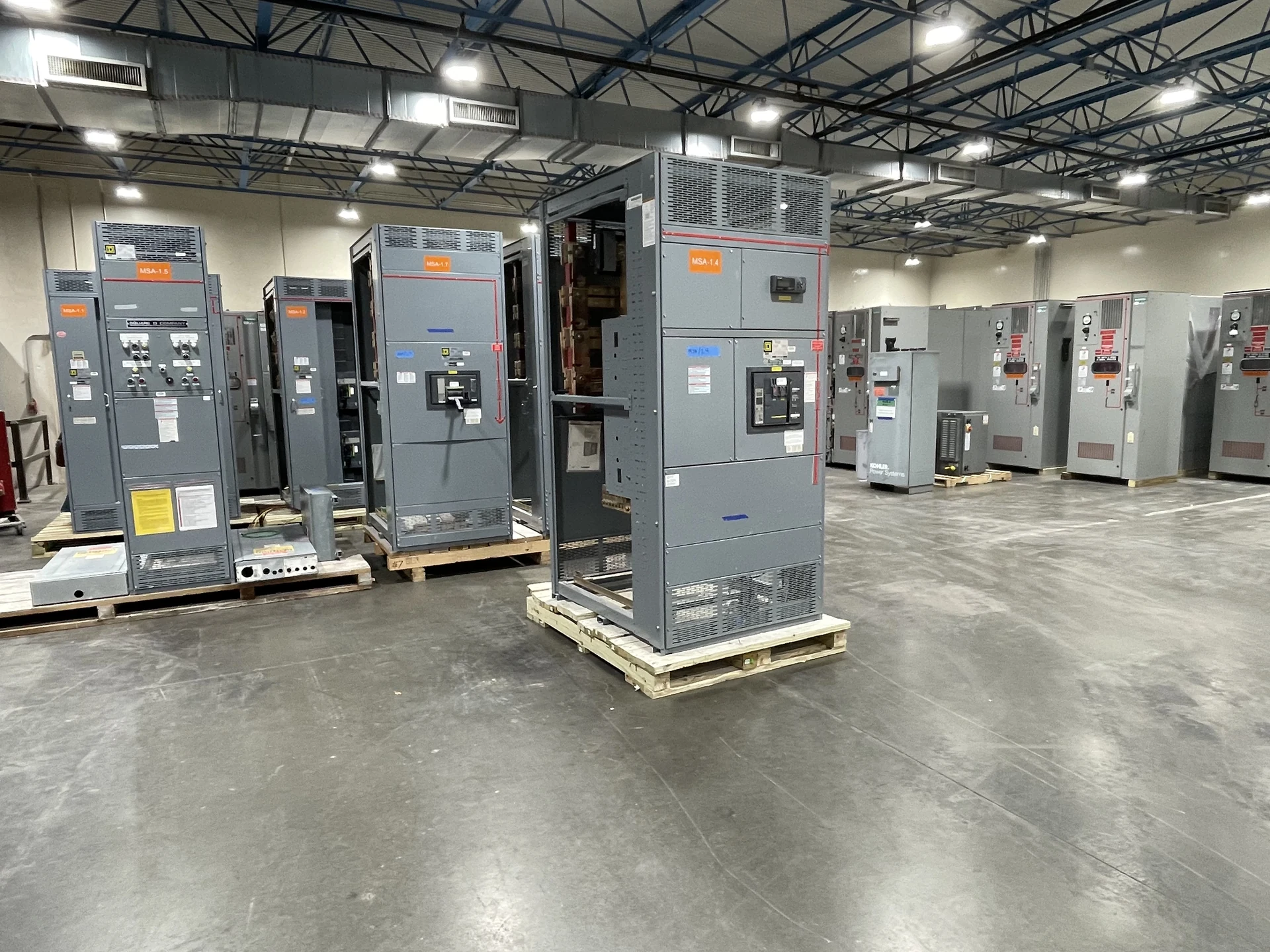
A switchboard enclosure does more than provide a place to mount main and feeder devices. It shapes how heat leaves the assembly, how conductors enter, and how people reach components throughout the installation’s life. For a new low-voltage service or feeder lineup, the owner, engineer, contractor and manufacturer should agree on the environment before the physical layout is finalized.
Define exposure before choosing an enclosure
Start with the actual installation location, not just the label “indoor” or “outdoor.” A covered loading area may still receive wind-driven rain; an electrical room near a process can be exposed to dust or cleaning chemicals. Describe expected temperature, humidity, salt, airborne contaminants, sunlight and any credible flooding or washdown exposure.
Specify the enclosure type or other ingress criteria required by the project and ask the manufacturer to confirm the proposed configuration. A protective enclosure designation is not a substitute for evaluating every exposure. Where corrosive chemicals or classified hazardous locations are involved, the engineer must establish suitability and any additional requirements rather than assume a standard enclosure will suffice.
Balance heat removal with moisture control
Breakers, bus connections and other components produce heat during operation. Provide the design ambient conditions, load profile and expected ventilation or cooling strategy so the manufacturer can evaluate the complete assembly. Ask for estimated heat rejection and ventilation requirements for the mechanical engineer; enclosing equipment more tightly can complicate heat removal and affect its allowable operation.
Temperature swings and humid air can produce condensation even where rain is excluded. Discuss whether space heaters, humidity controls or other measures are appropriate, along with their auxiliary power and monitoring interfaces. Keep any ventilation openings and drainage provisions consistent with the approved enclosure design; an improvised opening can undermine both environmental protection and the evaluated assembly.
Plan the access that each task needs
The lineup’s footprint is only the beginning of a room layout. Ask for the required working and service spaces, door swing, cable access and any rear or side access shown in the manufacturer’s instructions. The engineer and installer must also evaluate applicable code clearances, exits and the authority having jurisdiction’s requirements for the actual installation.
Front-access construction may help where rear space is limited, but verify which connections and maintenance activities can actually be performed from the front. Compare the added depth or width of an arrangement against available floor area. Also check the delivery path, door openings and space needed to position shipping sections before selecting the final configuration.
Coordinate entries, terminations and adjacent equipment
Give the manufacturer a conductor schedule with quantities, sizes, material, entry direction and termination preferences. Top entry can simplify an overhead route, while bottom entry may suit conduits entering through a housekeeping pad; each changes bending space and field access. Where moisture can follow an overhead route, coordinate the entry location and approved sealing details.
Identify who supplies conduit plates, entry seals, supports and any field openings. Penetrations must be planned with the manufacturer so they do not compromise the enclosure or the assembly’s evaluated configuration. For service equipment, coordinate utility metering access and sealing requirements separately; for busway connections, align the flange, support and dimensional interfaces with the other supplier.
Specify durability and verify the assembly
The enclosure material, surface preparation, finish, fasteners and gasket choices should reflect the site environment and maintenance plan. A more corrosion-resistant finish or material may increase initial cost, while inadequate protection can increase inspection and upkeep. Ask how the proposed construction addresses the documented exposure and which finish or material options are subject to engineering review.
Keep the enclosure designation distinct from the listing of the complete switchboard. UL 891 can be relevant to an appropriate low-voltage switchboard assembly, but the project team should verify the proposed assembly’s specific listing and any permitted options. Confirm the effect of specified heaters, ventilation, cable entry provisions and field modifications rather than assuming every combination is covered.
Buy against a coordinated enclosure package
For a San Antonio, South Texas or nationwide project, a request to the direct manufacturer should include the one-line, room or site plan, exposure criteria, cable schedule, utility requirements and desired access arrangement. Request drawings showing dimensions, entry areas, weights, mounting and anchorage interfaces, ventilation, heat information and any proposed exceptions to the specification.
Schedule time for the engineer, installer, mechanical and structural teams, and utility where applicable to review the submittals before fabrication commitments. Late changes to the enclosure or entry scheme can affect design, cost and schedule. Define who handles site preparation, field sealing, testing and turnover records; installation, inspection and energization require qualified personnel following applicable requirements and site procedures.
LET'S BUILD SOMETHING RELIABLE — 03
Ready to talk
switchgear?
Tell us about the new equipment your project needs. Include as much or as little detail as you have today.
(951) 403-5738CALL TO DISCUSS YOUR PROJECT