
BUILT IN THE USA. READY FOR YOUR PROJECT.
Available Fault Current at Switchgear
Available fault current describes how much current the electrical system can deliver to a short circuit at a particular location.
DIRECT FROM THE MANUFACTURER / NEW EQUIPMENT
THE MANUFACTURER’S PERSPECTIVE — 02
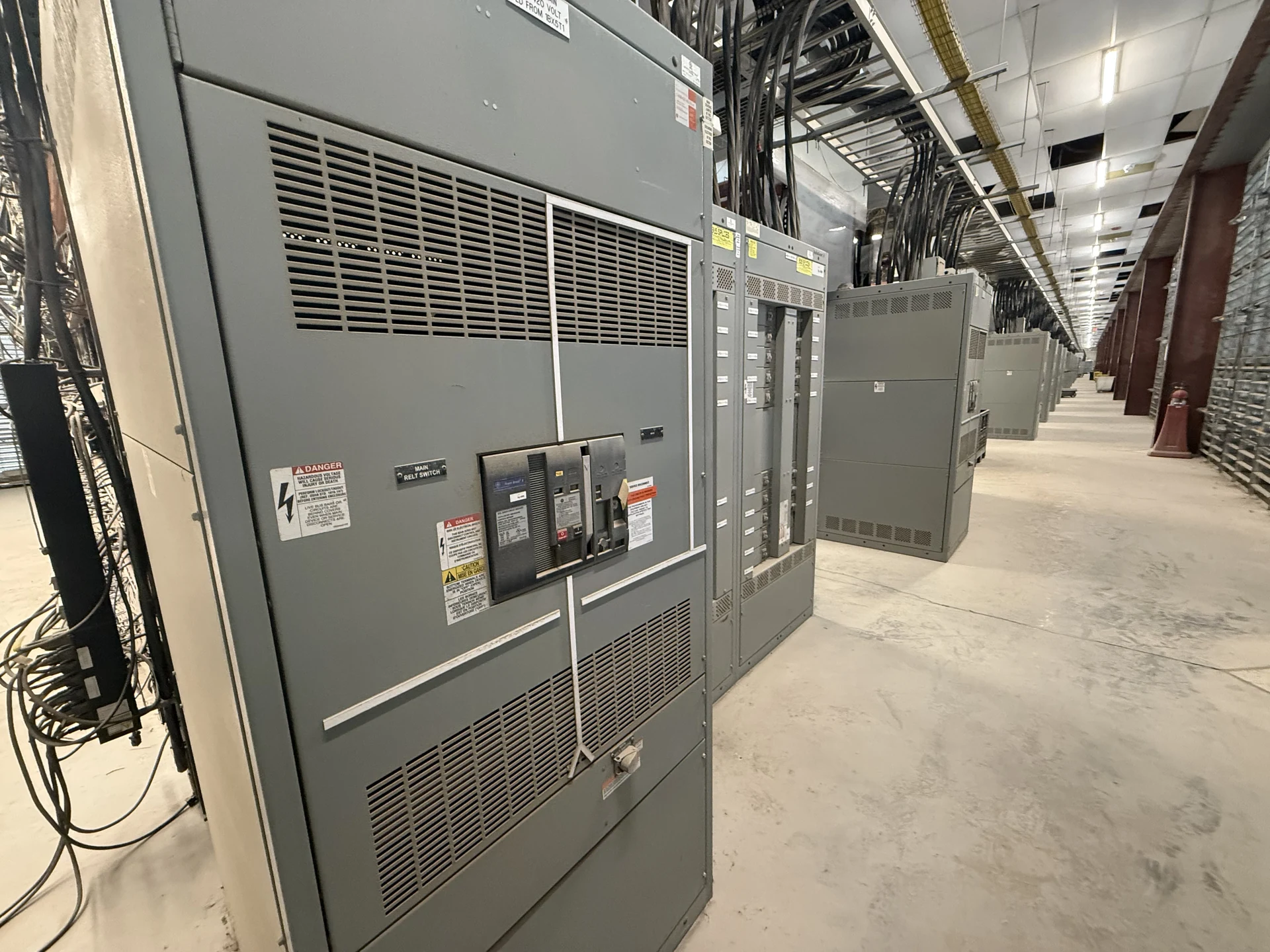
Available fault current describes how much current the electrical system can deliver to a short circuit at a particular location. It is not the normal load current or a rating printed on a breaker. For a new switchgear purchase, the specifying engineer needs a defensible study of the actual sources and connections so the manufacturer can evaluate equipment duty before construction details are finalized.
Start with the utility’s reference point
Ask the serving utility for its available fault-current data at a clearly identified point of connection, along with the system voltage and the date and assumptions behind the figures. Request maximum and minimum source information and X/R ratio, or equivalent source impedance data, as needed by the study. Clarify whether the figures are at the primary, transformer secondary or service point.
A utility value at a transformer terminal is not automatically the duty at a remote switchgear bus. The study must account for the intervening circuit. Ask the utility whether the information addresses foreseeable system changes and how updates will be communicated; a higher future source contribution can change the equipment selection. Coordinate the request early, particularly when utility review is a prerequisite to the design.
Model the path to the lineup
Provide an up-to-date one-line diagram showing sources, transformers, switching devices and the bus where the fault is being evaluated. Transformer capacity, voltage, winding configuration, grounding and percent impedance matter. If the final transformer is not yet selected, the engineer should document assumed impedance and tolerances and revisit the result when confirmed data are available.
Give the study provider conductor or busway lengths, sizes, materials and configurations between the source and the equipment. Impedance along that path generally reduces source contribution at a downstream point, but other connected sources may add contribution. Do not rely on a rough cable length or transformer size as a substitute for a coordinated short-circuit calculation.
Include sources and operating states
Document generators, large motors, on-site generation and inverter-based resources, including the information their suppliers provide for fault behavior. Their contributions can differ in magnitude and duration. Identify possible operating configurations, such as normal utility supply, generator operation and any permitted tie-closed or parallel-source condition; interlocks and operating rules determine which combinations are credible.
The highest calculated fault duty is important for equipment selection, while lower fault levels can also matter for protection response and arc-flash analysis. The engineer should evaluate relevant three-phase and ground-fault cases and record assumptions for each. A single number copied from an older drawing does not explain which sources were connected or which bus it represents.
Translate study results into equipment duty
Compare the calculated duty at each applicable equipment location with the proposed assembly’s short-circuit rating and the interrupting ratings of its protective devices at the system voltage. Continuous ampere rating addresses carrying load; it does not establish fault-interrupting ability. The manufacturer and engineer should also review applicable peak, momentary or short-time withstand requirements and clearing time for the equipment type.
Source X/R can affect the asymmetrical and peak currents that equipment must handle, so a symmetrical kiloampere value alone may not complete the review. Where a series-rated combination is proposed, verify the exact devices, application conditions, markings and approvals rather than assuming an upstream breaker makes every downstream device adequate. Coordination objectives and any effect on equipment selection belong in the same discussion.
Make the quote comparable and actionable
Send the new equipment manufacturer the one-line, available fault-current study or stated design criteria, applicable specifications, source configurations and requested protective functions. Identify the study author and the party responsible for final settings. If the utility has not released data, label the requested duty as provisional and ask how a later change could affect the design, commercial scope and schedule.
A useful proposal identifies the assembly and device duty offered, voltage basis, assumptions, exclusions and any required upstream protection. Compare those details alongside drawings, testing and documentation, not merely the main breaker’s ampere size. Higher duty capability can affect device selection, bus construction and cost; a lower initial figure should never be accepted simply to simplify purchasing.
Close the loop before energization
Agree on milestones for utility data, manufacturer submittals and the final system study before releasing the lineup for fabrication. The engineer should check the submitted equipment ratings against the study, resolve exceptions and update the analysis when transformers, conductors, source arrangements or proposed devices change. Assign responsibility for study revisions and applicable field markings or documentation with the contractor and authority having jurisdiction.
At turnover, retain the approved one-line, source data, study, equipment ratings, settings and test records together. Qualified personnel should perform installation, testing, settings implementation and energization under the site’s safety procedures and applicable requirements. For projects in San Antonio, South Texas or elsewhere, the same documented handoff helps owners recognize when later system changes warrant another duty review.
LET'S BUILD SOMETHING RELIABLE — 03
Ready to talk
switchgear?
Tell us about the new equipment your project needs. Include as much or as little detail as you have today.
(951) 403-5738CALL TO DISCUSS YOUR PROJECT